Last Updated on March 27, 2026 by Phoenix
Preparation of food is a daily need, and your choice of cooking style can directly influence your costs at the end of the month. LPG gas stoves have been the most popular in India. Induction cooktops are, however, emerging as a great alternative with increasing LPG prices and improved access to electricity.
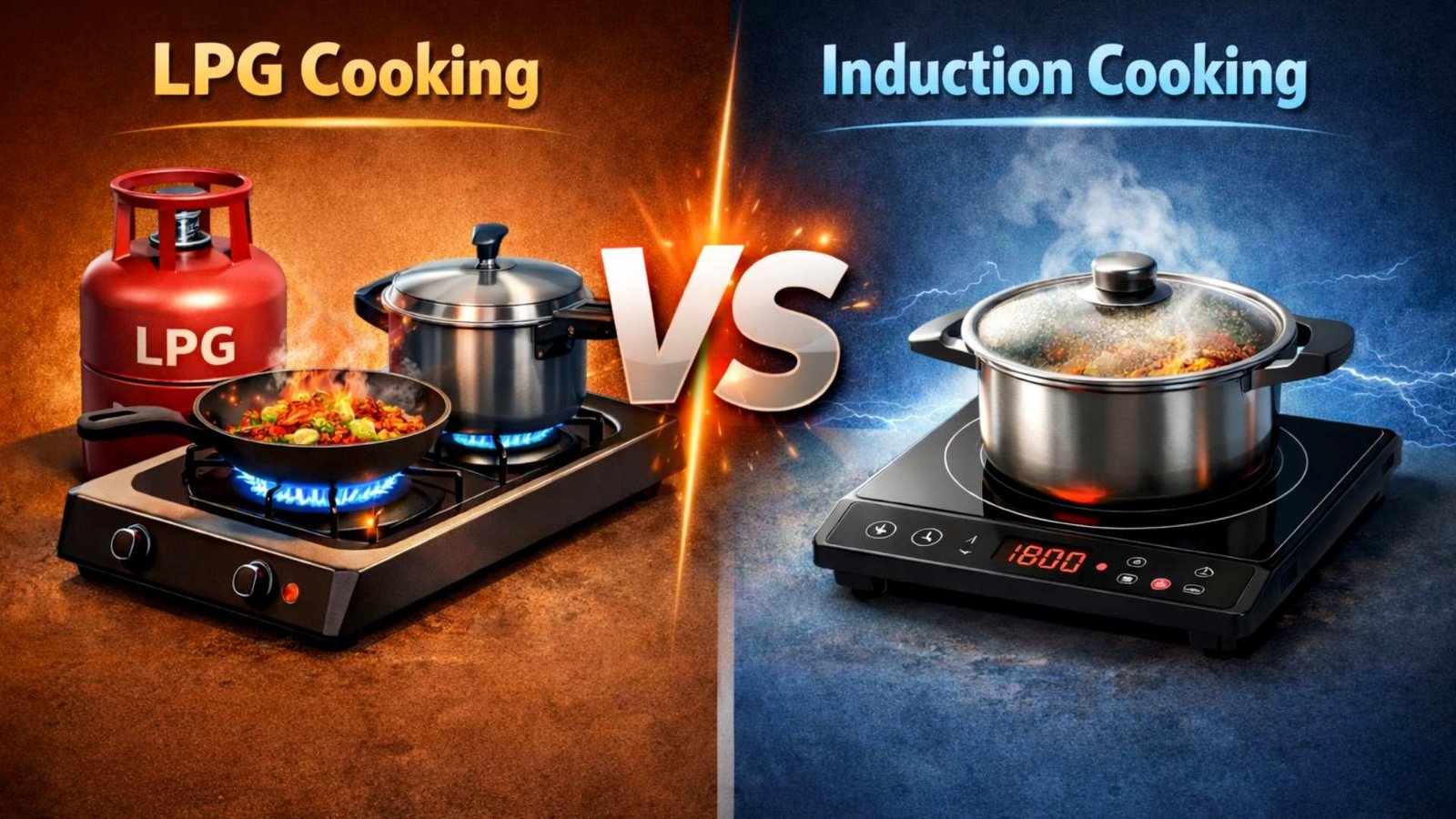
To get the most cost-effective and efficient solution, many households are now comparing the two options. LPG vs Induction Cooking: Which Is Cheaper and Better?
Everyone is comparing their affordability, price, and which one is safer or better due to ongoing conflict in Middle Eastern countries.
The Strait of Hormuz is a crucial maritime chokepoint between the Persian Gulf and the Gulf of Oman, which transports almost 20-30% of the world’s liquefied petroleum gas and liquefied natural gas.
But due to the Iran-Israel war conflicts, this passage got disturbed. And mostly South & South-Eastern Asian oil & natural gas are transported from this point only.
Due to geopolitical tension in Gulf countries and the passage of the Strait of Hormuz being disturbed, the price of LPG has been hiked, as seen in many countries, including India.
However, beyond this geopolitical tension, India has been able to make good relations with Iran, and recently two Indian LPG carriers, Shivalik and Nanda Devi, arrived at Gujarat ports on March 16–17, 2026, delivering over 92,000 metric tonnes of LPG combined.
So, let’s explore this article and understand in detail the differences between LPG & induction, which is cheaper & better to use in the kitchen.
What is LPG Cooking?
Source: construction placements
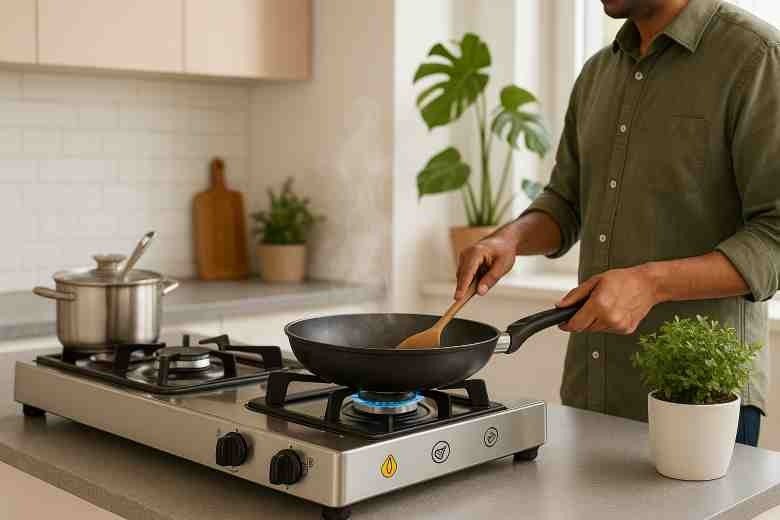
LPG (Liquefied Petroleum Gas) cooking involves the utilization of gas cylinders to create a flame. It is popular in India, as it makes frying, roasting, and chapati making among its cooking-style options. It has, however, become more costly to many households as a result of rising LPG prices.
What is Induction Cooking?
Source: Shutterstock
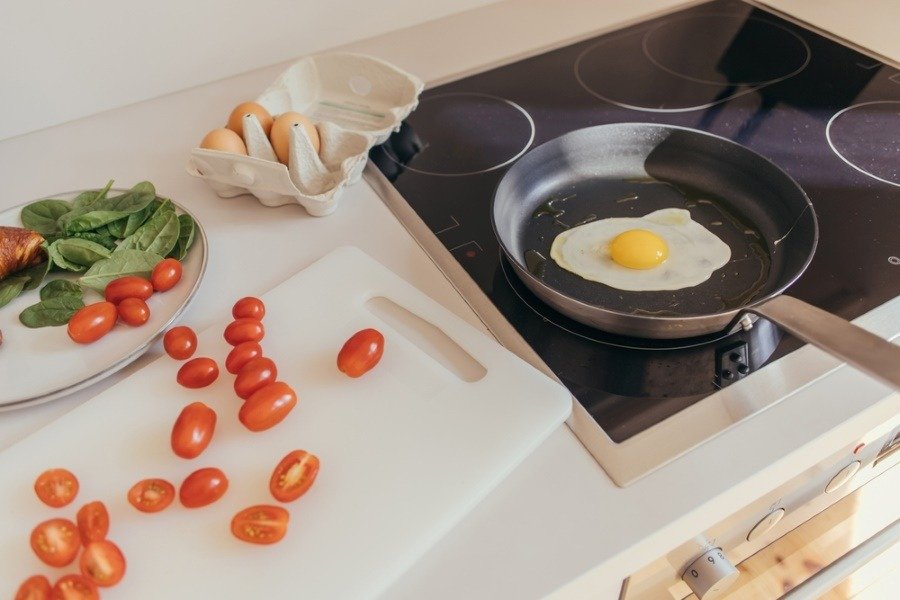
Induction cooking involves the use of electricity and electromagnetic radiation to heat cookware without creating a flame. This process is cleaner, quicker, and more economical, thus being a contemporary replacement of the conventional gas stoves.
LPG vs Induction: Key Differences
Here, below in the table, all their differences are given:
| Feature | LPG | Induction |
| Energy Source | Gas cylinder | Electricity |
| Efficiency | 35–40% | 85–90% |
| Cooking Speed | Moderate | Fast |
| Safety | Risk of fire/leak | No flame, safer |
| Monthly Cost | ₹900–₹1000 | ₹550–₹650 |
| Dependency | No electricity needed | Requires power supply |
Which is Cheaper: LPG or Induction?
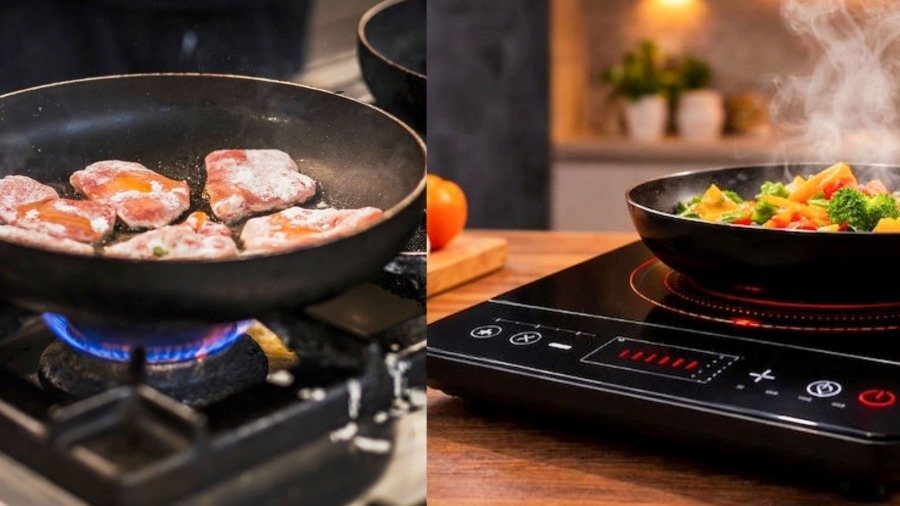
In most cases, induction cooking is more affordable than LPG. A typical LPG cylinder costs around ₹900–₹1000 per month, while induction cooking for similar usage may cost ₹550–₹650, depending on electricity rates. This means households can save around ₹300 per month with induction. However, actual savings vary based on usage and local electricity tariffs.
But recently, in the ongoing conflict between the Iran-Israel war, both LPG and induction have seen a hike in their prices.
Electricity Usage of Induction Cooktops
On average, an induction cooktop consumes about 70–80 units of electricity per month. If electricity costs ₹7–₹8 per unit, the total monthly expense remains lower than LPG in many areas. However, higher billing slabs can reduce these savings.
Why Induction Is More Efficient
Induction cooktops are highly efficient because they heat the utensil directly, minimizing energy loss. In contrast, LPG stoves lose a large portion of heat to the surrounding air, making them less efficient. This is why induction cooking is both faster and more economical.
Which Is Better for Indian Cooking?
LPG is still preferred for traditional Indian cooking because it provides direct flame control, which is ideal for making rotis, frying, and roasting. On the other hand, induction is more suitable for boiling, reheating, and quick cooking tasks.
Which Is Safer? LPG or Induction
Induction cooktops are generally safer as they do not use an open flame, reducing the risk of fire accidents. LPG stoves require careful handling to avoid gas leaks, especially in enclosed kitchens.
Initial Cost Comparison
Setting up LPG requires a gas stove and cylinder connection, while induction cooktops typically cost between ₹2,000 and ₹4,000. Although the initial cost is similar, LPG involves ongoing refill expenses, making it costlier over time.
Interesting Facts About LPG and Induction
- Induction cooktops use up to 90% of energy, while LPG uses only about 40%.
- LPG loses a significant amount of heat to the air, reducing efficiency.
- Induction cooking can save ₹200–₹300 per month in many households.
- Food cooks faster on induction due to direct heat transfer.
- LPG works with all types of utensils, while induction needs flat-bottom cookware.
- Induction cooktops require electricity and may not work during power cuts without backup.
Conclusion
Both LPG and induction cooking have their own benefits. LPG is reliable and ideal for traditional cooking methods, while induction is faster, more energy-efficient, and often cheaper in the long run. The best choice depends on your cooking habits, electricity availability, and budget.