
Current Affairs

how many big cat species are found in the ibca

How Many Big Cat Species Are Found in the IBCA?

Discover IBCA’s seven big cat species and learn why India plays a crucial conservation leadership role.

|
Published On: May 22, 2026
India is all set to host one of the biggest global events for wildlife conservation in 2026. The country will hold the first-ever International Big Cat Alliance (IBCA) Summit on June 1 and 2, 2026, in New Delhi. This is a proud moment for India, as the IBCA is headquartered in India itself. The summit will bring together world leaders, scientists, conservation experts, and government officials from across the globe to protect the world's most iconic big cats. India to Host 1st IBCA Summit in June 2026 The first IBCA Summit will be held on June 1 and 2, 2026, in New Delhi. The event was officially announced by Union Minister for Environment, Forest and Climate Change, Shri Bhupender Yadav. He also launched the official website and logo of the summit. Heads of State and Heads of Government from member and observer countries are expected to attend the summit. More than 400 conservationists, policymakers, scientists, multilateral agencies, financial institutions, corporate leaders, and community representatives from around the world will also take part. Theme of the IBCA Summit 2026 The theme of the 1st IBCA Summit 2026 is 'Save Big Cats, Save Humanity, Save Ecosystem'. This theme shows that protecting big cats is not just about animals. It is about saving entire ecosystems and, by extension, helping human communities that live near wildlife areas. What is the International Big Cat Alliance (IBCA)? The International Big Cat Alliance (IBCA) is the world's first inter-governmental and multi-agency global alliance focused entirely on saving big cat species. Here are the key facts about IBCA: IBCA covers seven big cats: Lion, Tiger, Leopard, Snow Leopard, Cheetah, Jaguar, and Puma. It was launched in 2023 by Prime Minister Narendra Modi on the 50th anniversary of Project Tiger. It received formal approval from the Union Cabinet in February 2024. IBCA is headquartered in India and works under the Ministry of Environment, Forest and Climate Change. It is established through the National Tiger Conservation Authority (NTCA). India has committed approximately Rs. 150 crore for IBCA from 2023 to 2028. Key Facts About the 1st IBCA Summit 2026 Date: June 1 and 2, 2026 Venue: New Delhi, India Organised by: Ministry of Environment, Forest and Climate Change, Government of India Member countries (as of April 28, 2026): 24 countries Observer countries: Kazakhstan, Namibia, and Thailand Big cat range countries participating: 95 Prime Minister Narendra Modi is expected to inaugurate the summit. What will be the historic step toward conservation toward the Delhi Declaration? One of the most important outcomes of the IBCA Summit will be the adoption of the 'Delhi Declaration.' This will be the first-ever global declaration focused on big cat conservation. The Delhi Declaration will set shared priorities for protecting big cats, strengthen cooperation between countries that share big cat habitats, and promote a landscape-based approach for the long-term survival of these species and their ecosystems. What Will Happen at the Summit? The summit will have two main parts. On June 1, world leaders will gather for the high-level summit session. On June 1 and 2, technical sessions will be held with senior government officials, conservation experts, and partner organisations from 95 big cat range countries. A special exhibition will also be set up, featuring the following: Tribal art and paintings related to big cats Photographs and films on big cat conservation Virtual reality experiences India's best practices and achievements in wildlife conservation Winners of the Global Big Cats Photography Competition 2026 will also be felicitated on June 2, 2026. India's Role in Big Cat Conservation India has a strong history of protecting big cats. The country is home to tigers, lions, leopards, snow leopards, and cheetahs. Project Tiger, launched in 1973, is one of the most successful wildlife conservation programs in the world. India's efforts have shown that with commitment, community participation, and scientific management, big cat populations can be brought back from the brink of extinction. The IBCA is a natural extension of this spirit, now taken to the global level. What is the importance of IBCA Summit 2026? For the first time in history, world leaders will meet solely to discuss the future of big cats. This shows that the conservation of these animals is now a serious global issue, not just a local concern. The IBCA Summit 2026 will strengthen international partnerships, promote South-South cooperation, and align big cat conservation with broader global goals for biodiversity and climate action. It is a defining moment in global conservation diplomacy, and India is proud to lead this effort. India hosting the 1st IBCA Summit in June 2026 is a major milestone for wildlife conservation worldwide. With 95 big cat range countries, world leaders, and hundreds of experts coming together in New Delhi, the summit is set to shape the future of big cats on Earth. The historic Delhi Declaration will give the world a clear roadmap to save these magnificent animals and the ecosystems they protect.

India to Host 1st IBCA Summit in June 2026

India hosts the 1st IBCA Summit 2026 in New Delhi this June. The International Big Cat Alliance gathers global leaders for big cat conservation. Highlighting the Delhi Declaration, the summit aims to protect seven iconic species and their vital ecosystems.

|
Published On: May 13, 2026
New CM of West Bengal Suvendu Adhikari

Who Is the New CM of West Bengal?

Suvendu Adhikari is the new Chief Minister of West Bengal. He took the oath of office on May 9, 2026. This event followed a...
|
Published On: May 9, 2026
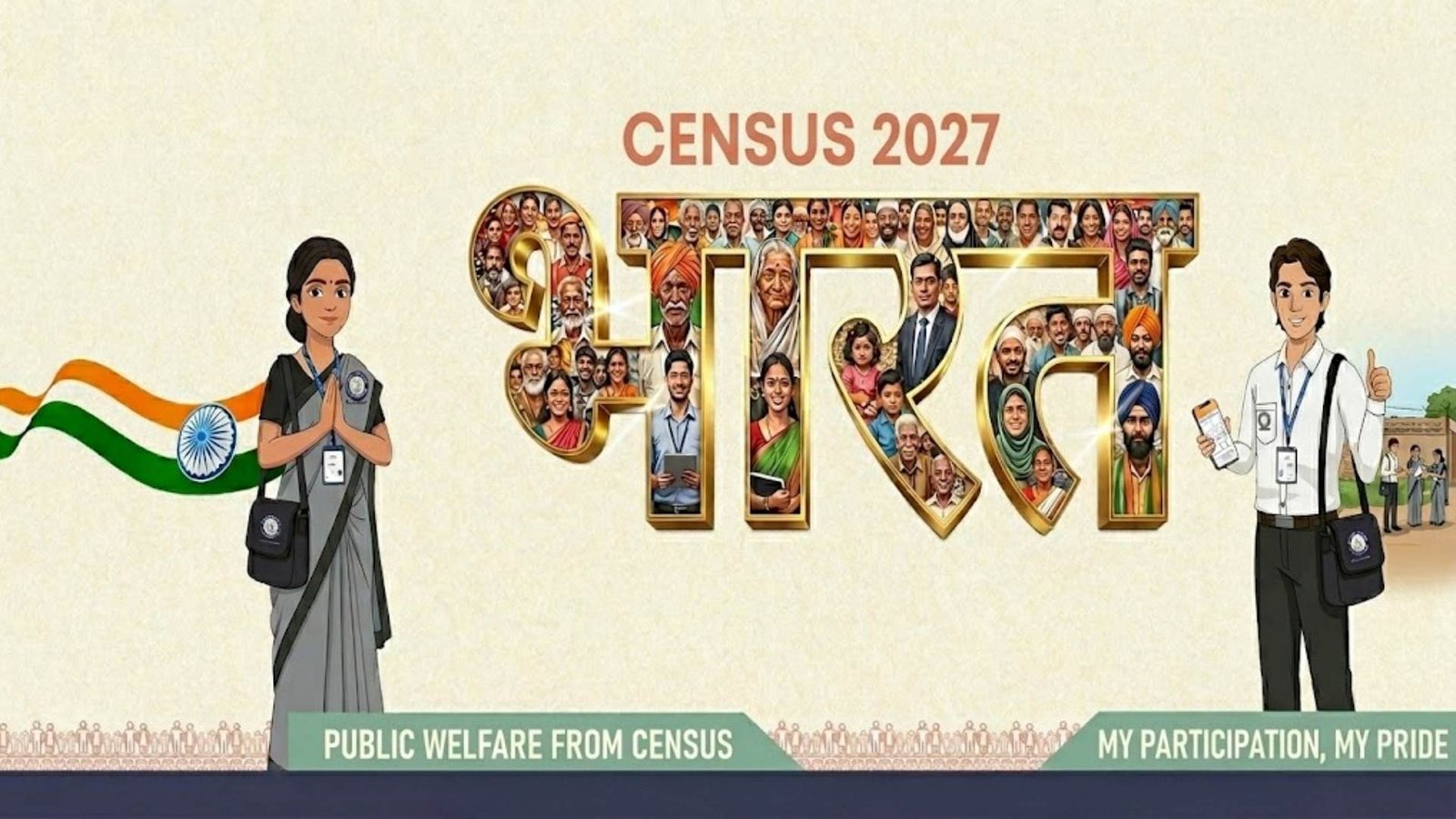
Census 2027 in India

Census 2027 in India: Check Date, Digital Process, Schedule & Key Facts

Census 2027 in India begins on April 1, 2026, marking the nation's first fully digital census. This 16th Census of India features an online self-enumeration portal and mobile app data collection, providing a modern approach to updating essential demographic and caste data.

|
Published On: March 30, 2026
India’s First National Report on the Nagoya Protocol

India’s First National Report on the Nagoya Protocol: Key Highlights, Framework, and Significance

India’s First National Report on the Nagoya Protocol highlights ABS implementation, biodiversity governance, institutional framework, financial outcomes, and India’s progress toward sustainable development and equitable benefit-sharing under CBD commitments.

|
Published On: March 23, 2026