Last Updated on July 8, 2026 by Gaurav
India is a democratic country and it is made up of 28 states and 8 Union Territories. The country is run by an elected government and the Prime Minister leads the nation at the central level. However, every state in India has its own elected government which is led by the Chief Minister (CM) of that state. The Chief Minister is the elected head of government of each of the 28 states and out of 8 only 3 union territories have the Chief Minister which are Delhi, Jammu and Kashmir and Puducherry.
The remaining UTs in India are being governed directly by Administrators or Lieutenant Governors that are directly appointed by the President of India. The Know India website mentions: “Union Territories are administrated by the President acting to such extent, as he thinks fit, through an Administrator appointed by him.”
Just like the Prime Minister operates at the national level, the Chief Minister also leads a council of ministers, makes policy decisions and manages the administration of the dedicated state. As the Assembly Elections 2026 are going to take place in many states, here is the list of current Chief Ministers of different states and UTs of India.
List of Chief Ministers of All States in India (2026)
Here is the list of Chief Minister of all states in India with Party name as of 2026 as per India Gov website:
| State | Chief Minister Name | Party |
| Andhra Pradesh | N. Chandrababu Naidu | TDP |
| Arunachal Pradesh | Pema Khandu | BJP |
| Assam | Himanta Biswa Sarma | BJP |
| Bihar | Samrat Choudhary | BJP |
| Chhatisgarh | Vishnu Deo Sai | BJP |
| Delhi (NCT) | Rekha Gupta | BJP |
| Goa | Pramod Sawant | BJP |
| Gujarat | Bhupendra Patel | BJP |
| Haryana | Nayab Singh Saini | BJP |
| Himachal Pradesh | Sukhvinder Singh Sukhu | INC |
| Jammu and Kashmir (UT) | Omar Abdullah | Jammu & Kashmir National Conference (NC) |
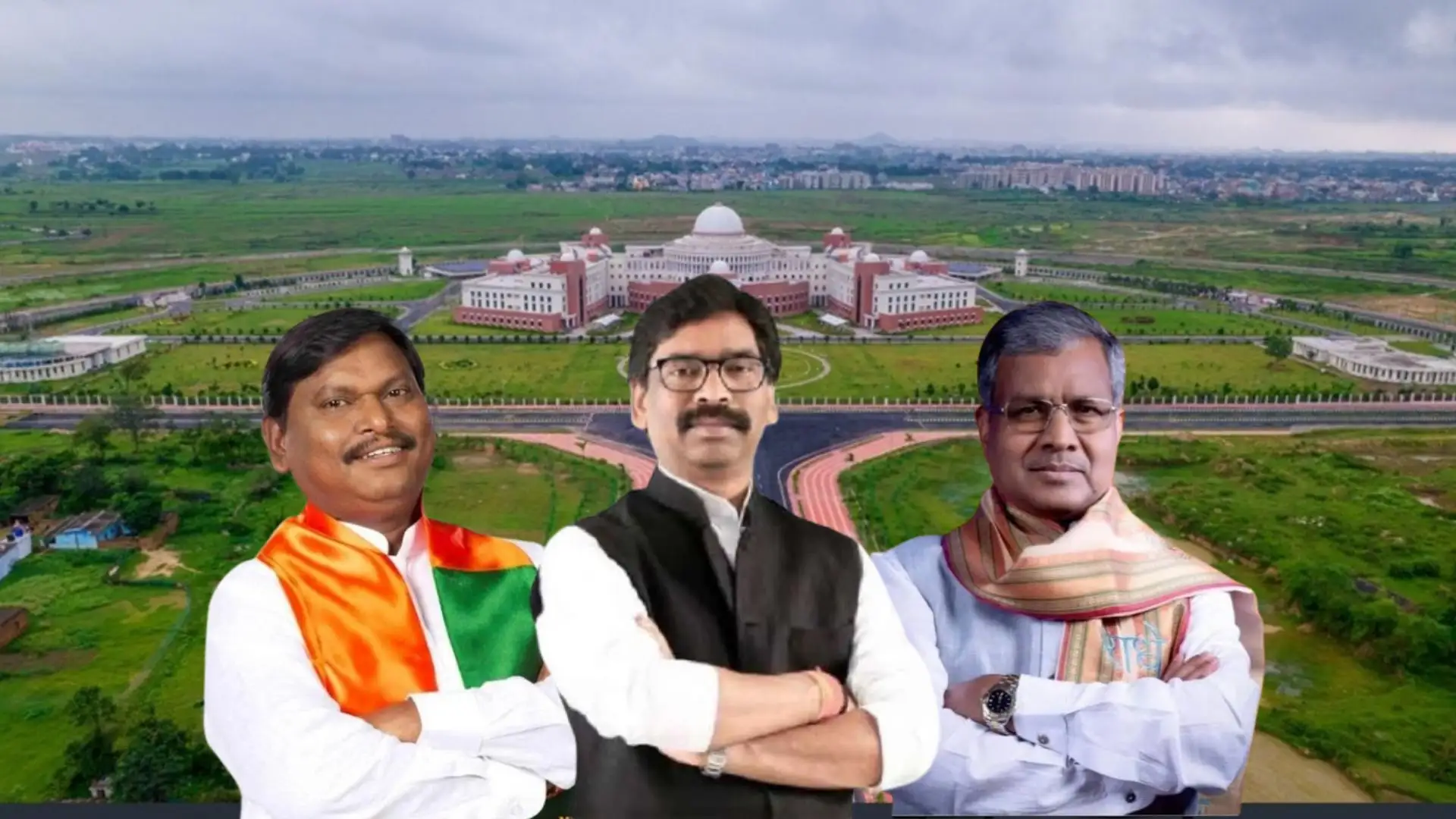
| Jharkhand | Hemant Soren | Jharkhand Mukti Morcha (JMM) |
| Karnataka | Siddaramaiah | INC |
| Kerala | Pinarayi Vijayan | Communist Party of India |
| Madhya Pradesh | Mohan Yadav | BJP |
| Maharashtra | Devendra Fadnavis | BJP |
| Manipur | Yumnam Khemchand Singh | BJP |
| Meghalaya | Conrad Kongkal Sangma | National People’s Party (NPP) |
| Mizoram | PU Lalduhoma | Zoram People’s Movement |
| Nagaland | Neiphiu Rio | Naga People’s Front |
| Odisha | Mohan Charan Majhi | BJP |
| Puducherry (UT) | N. Rangaswamy | All India N.R. Congress (AINRC) |
| Punjab | Bhagwant Singh Mann | Aam Aadmi Party |
| Rajasthan | Bhajan Lal Sharma | BJP |
| Sikkim | PS Golay | Sikkim Krantikari Morcha |
| Tamil Nadu | M. K. Stalin | Dravida Munnetra Kazhagam (DMK) |
| Telangana | A Revanth Reddy | INC |
| Tripura | Manik Saha | BJP |
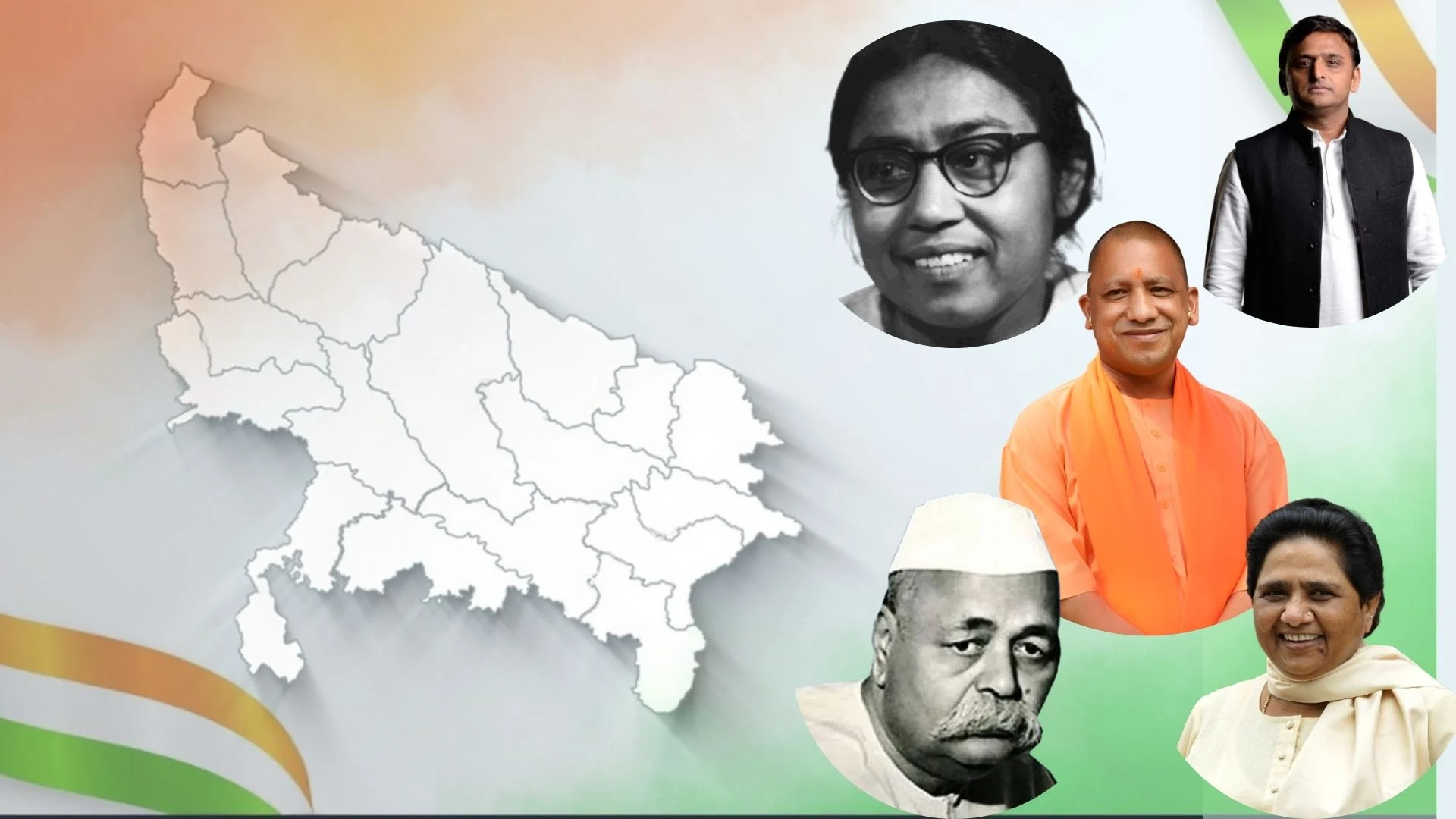
| Uttar Pradesh | Yogi Aditya Nath | BJP |
| Uttarakhand | Pushkar Singh Dhami | BJP |
| West Bengal | Mamata Banerjee | All India Trinamool Congress (AITC/TMC) |
How Is a Chief Minister Selected in India?
The Chief Minister of India is selected through the parliamentary model of democracy and it is anchored on the Constitution. It works like this:
1. State Legislative Assembly Elections: Every five years, the citizens of a state elect representatives to the State Legislative Assembly (Vidhan Sabha). Each constituency has one Member of the Legislative Assembly (MLA).
2. Formation of Majority: After the declaration of the election results, the party or coalition that secures majority of the total number of seats in the Assembly forms a government.
3. Appointment by the Governor: The Chief Minister of a state is appointed by the Governor. Typically, the head of the party or coalition that has a majority in the state Legislative Assembly is called on to create the government.
The Know India website mentions: “The Chief Minister is appointed by the Governor who also appoints other ministers on the advice of the Chief Minister. The Council of Ministers is collectively responsible to legislative assembly of the State.”
4. Swearing-In: The Governor administers the oath of office and secrecy to the Chief Minister. The CM helps in appointment of Cabinet Ministers, which are also sworn in by the Governor.
5. Tenure and Removal: The tenure of a Chief Minister is for a maximum of five years. There are no limits to the number of terms they can serve. A Chief Minister can be removed if they lose a vote of no-confidence in the Assembly, or when the ruling coalition breaks up.
The office of the Chief Minister is an important aspect of governance in India. The Chief Ministers are also the most crucial aspect in building the bridge between state and central government, ensuring that there is good governance, law and order and representing the interests of their respective state. It is through the efforts of Chief Ministers that shape the day-to-day lives of India’s more than billion people.
For more such well-researched GK articles helpful for exam aspirants and general readers seeking authentic and up-to-date coverage of current affairs, history, polity, science, technology, economy, sports, and beyond, keep exploring various categories of GKinfoBuzz, your trusted resource for knowledge and information.