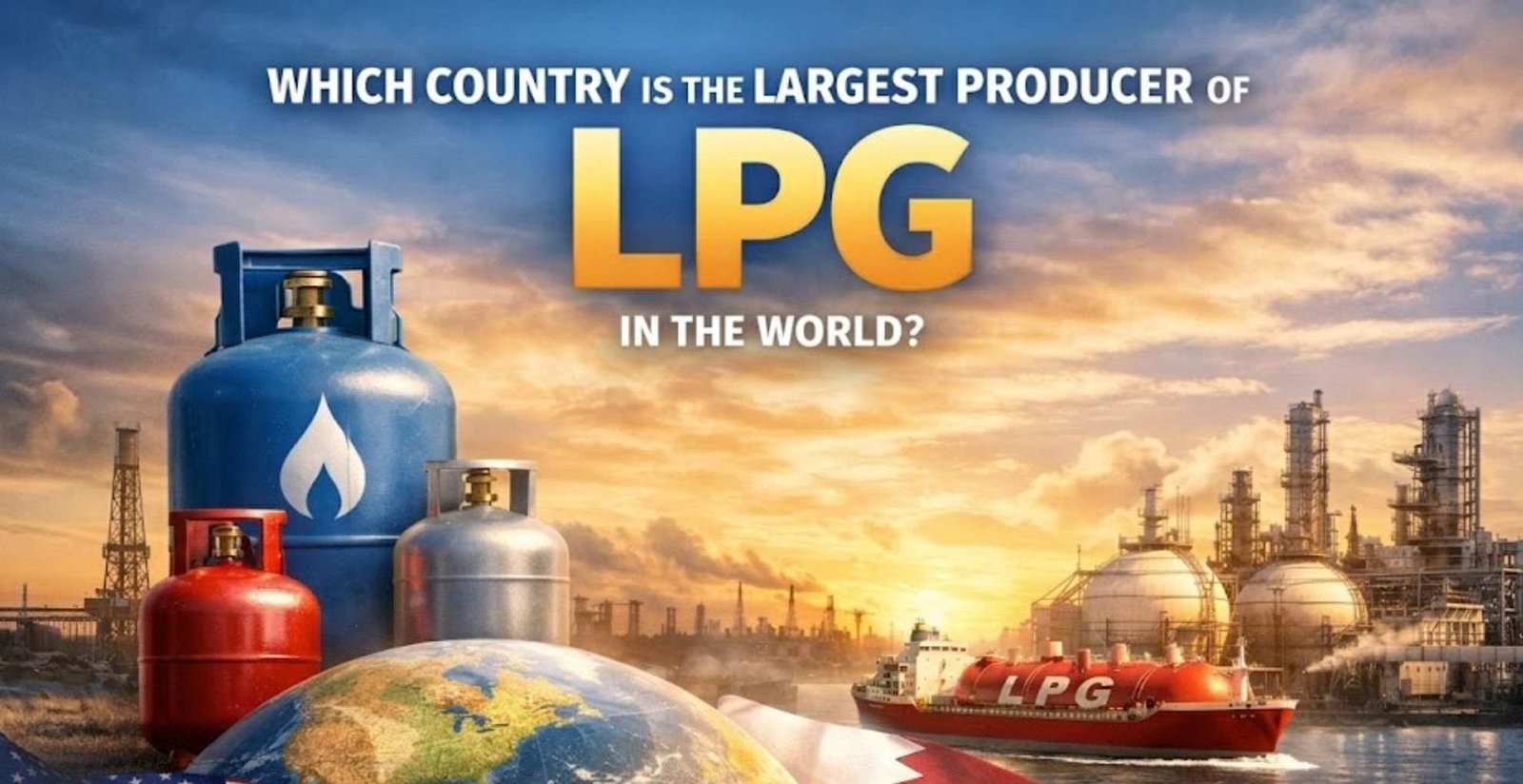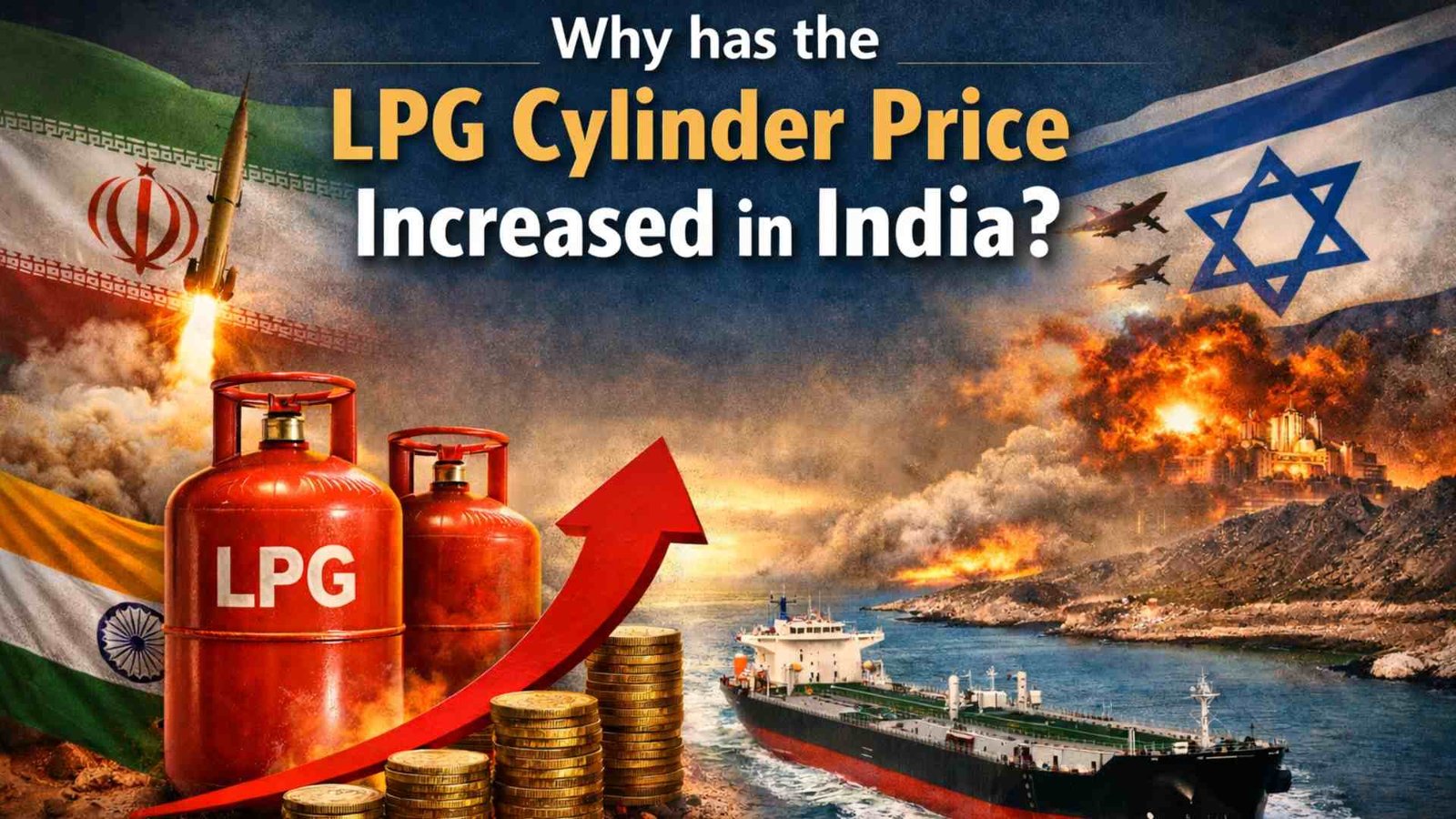
Oil & Natural Gas companies in India have increased the prices of Liquefied Petroleum Gas (LPG) cylinders due to the ongoing conflicts and war between Iran & Israel.
These hikes in LPG cylinder prices have been seen nationwide, which is a big concern regarding the kitchen fuels.
But, recently, two Indian-flagged vessels carrying LPG crossed the Strait of Hormuz safely early this morning, says a senior shipping ministry official.
But why have the LPG cylinder prices in India risen, and will they be further expected to hike more in the prices of LPG cylinders if the conflict in the Middle East escalates more?
Let’s understand about this more in detail from this article.
Why Have LPG Cylinder Prices Increased in India?
LPG cylinder prices in India have recently increased due to disruptions in the global energy market. The primary reason is the ongoing geopolitical tensions in the Middle East, especially near the Strait of Hormuz, an important global route for oil and gas transportation.
The prolonged disruption caused by the escalating conflict involving Iran and the Israel–United States alliance has tightened global oil and gas supplies. As a result, international fuel prices have risen, and the impact is now being seen in LPG prices across several Indian cities.
India depends heavily on imports to meet its cooking gas demand.
Nearly 60% of the country’s LPG consumption is imported, and 80–90% of these imports come from Middle Eastern countries such as Saudi Arabia, Kuwait, Qatar, and the United Arab Emirates. Because of this dependence, any instability in the region directly affects LPG supply and pricing in India
LPG Price Hike in India
On March 7, 2026, domestic LPG cylinder prices were increased by ₹60 across major Indian cities. In Delhi, the price of a 14.2-kg non-subsidised domestic LPG cylinder reached ₹913.
Commercial LPG cylinders used by restaurants, hotels, and businesses also became costlier. The price of 19-kg commercial cylinders increased by around ₹114–₹115, taking the price in Delhi to ₹1,883.
Several hotels and restaurants in cities such as Mumbai and Bengaluru have also reported temporary shortages of LPG supply due to the global supply situation.
Oil marketing companies revise LPG prices regularly, usually on a monthly basis, and prices vary slightly across cities due to transportation costs and local taxes.
LPG Cylinder Prices in Major Indian Cities (March 16, 2026)
| City | LPG Price (₹ per 14.2 kg cylinder) |
| New Delhi | ₹913.00 |
| Mumbai | ₹912.50 |
| Kolkata | ₹939.00 |
| Chennai | ₹928.50 |
| Bengaluru | ₹915.50 |
| Hyderabad | ₹965.00 |
| Chandigarh | ₹922.50 |
| Jaipur | ₹916.50 |
| Gurugram | ₹921.50 |
| Noida | ₹910.50 |
| Bhubaneswar | ₹939.00 |
| Patna | ₹1,002.50 |
Will LPG prices increase further if the Iran-Israel conflict escalates?
The possibility of another LPG price hike depends largely on the global energy situation. If tensions in the Middle East escalate and disrupt fuel shipments further, global prices could rise again, which may eventually affect domestic LPG prices in India.
To prevent supply shortages, the Ministry of Petroleum and Natural Gas has instructed refineries to increase LPG production and prioritize domestic supply.
The government has also introduced several measures to manage the situation:
- Domestic LPG supply is being prioritised for households.
- A 25-day gap between cylinder bookings has been implemented to prevent hoarding and black marketing.
- Imported LPG supplies are being prioritised for essential services such as hospitals and educational institutions.
These steps are intended to ensure that households continue to receive uninterrupted LPG supply.
What is the government response to LPG price increases?
Union Petroleum and Natural Gas Minister Hardeep Singh Puri reassured consumers that the government is taking necessary steps to maintain stable fuel supply.
He stated that a 100% supply of CNG and PNG is being ensured for domestic consumers, while industries are receiving around 70–80% of their regular supply despite the current global conflict situation.
The minister also emphasized that there is no shortage for domestic consumers and that the government is committed to ensuring uninterrupted and affordable energy access.
Are LPG shipments to India currently being affected by the Middle East conflict?
Recently, as per NewsonAir, the Indian government updated that the LPG shipments to India are continuing despite several geopolitical tensions in the Middle East conflict.
According to PTI, “Two Indian-flagged vessels carrying LPG crossed Strait of Hormuz safely early this morning,” says senior shipping ministry official
Two Indian-flagged LPG vessels—Shivalik and Nanda Devi—are carrying around 92,700 metric tons of LPG for India.