Last Updated on August 16, 2026 by Parikshit
Key Takeaways
- In 2026, India has a total of 45 UNESCO World Heritage Sites.
- In 45, there are 37 cultural, 7 natural, and 1 mixed World Heritage Sites.
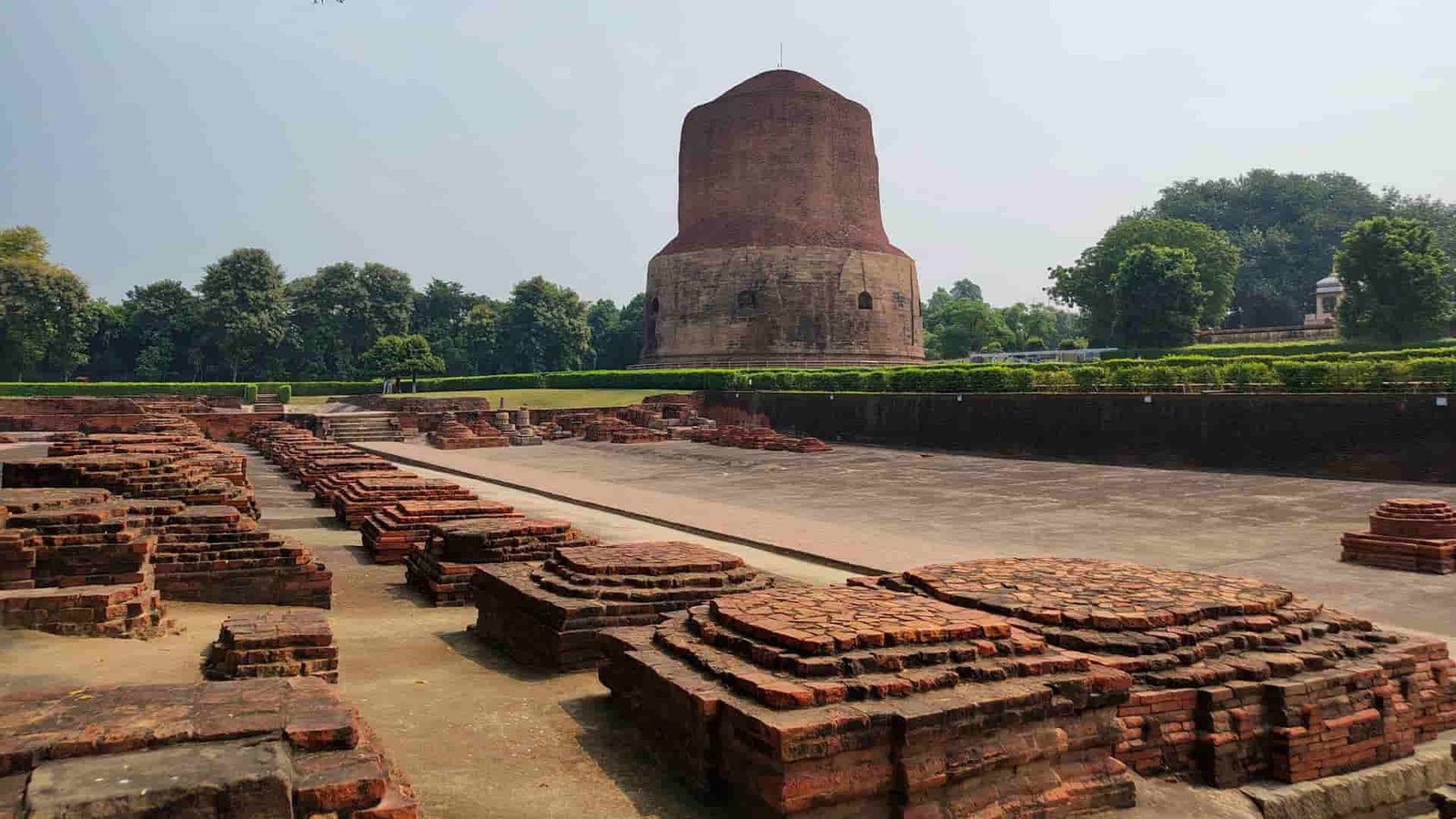
- The Ancient Buddhist Site of Sarnath is newly added to the List of UNESCO World Heritage Sites in India in July 2026.
- Taj Mahal, Agra Fort, Ajanta Caves, and Ellora Caves were India’s First UNESCO World Heritage sites, which were added in 1983.
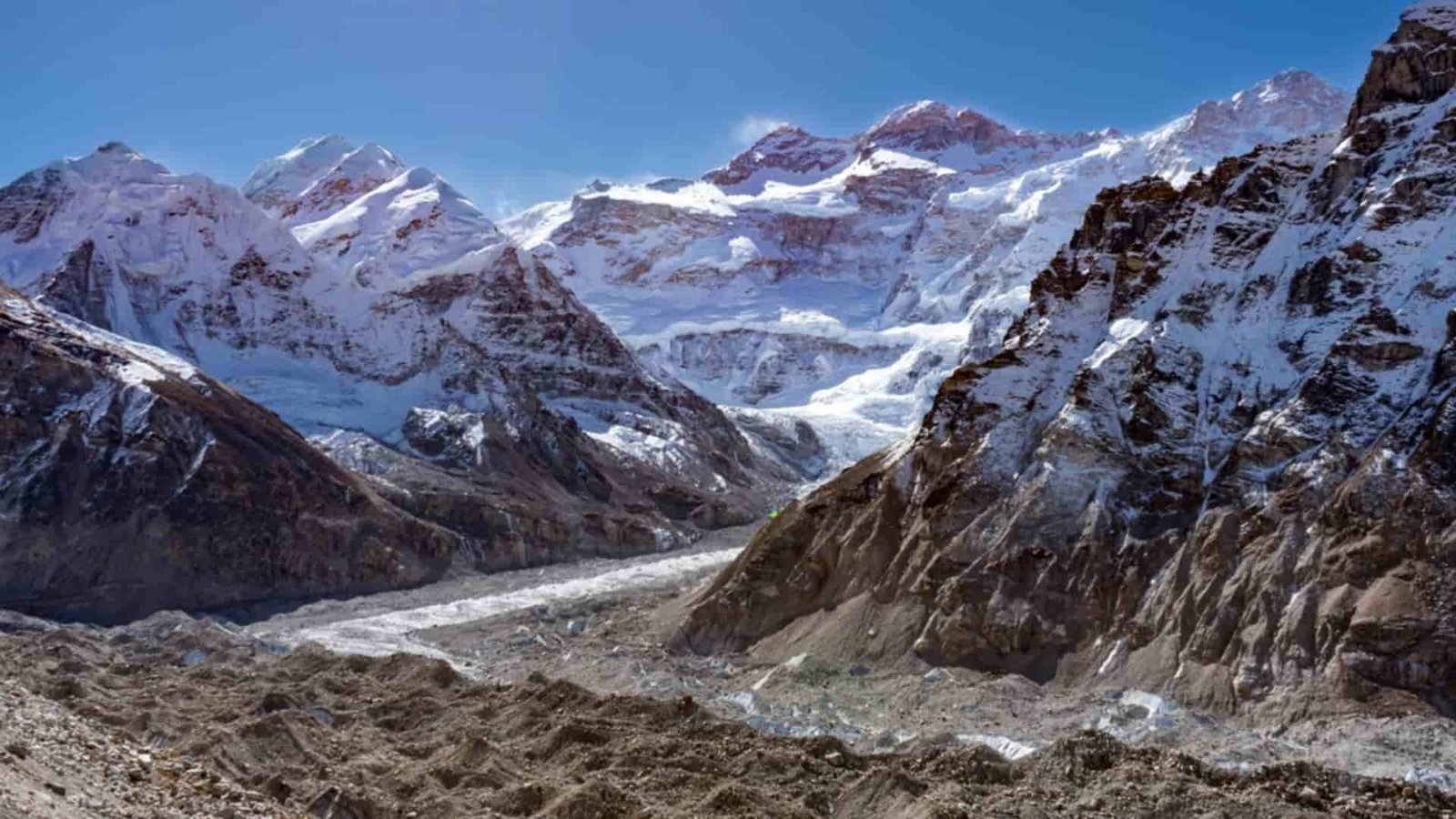
- Khangchendzonga National Park of Assam is the only Mixed World Heritage Site of India.
- Maharashtra has the highest number of UNESCO World Heritage Sites among all the states in India.
India is known for its rich history, culture, monuments, forests, wildlife, and natural landscapes, and many of them have been recognised under the United Nations Educational, Scientific and Cultural Organization (UNESCO) as World Heritage Sites.
As of 2026, India has a total of 45 UNESCO World Heritage Sites, including 37 cultural sites, 7 natural sites, and 1 mixed site.
The newest UNESCO World Heritage Site in India is the Ancient Buddhist Site of Sarnath in Uttar Pradesh, which got inscribed in the UNESCO list in July 2026, and global India stands in 6th place for the most World Heritage Sites, after Italy, China, Germany, France, and Spain.
Here, explore the complete list of UNESCO World Heritage Sites in India with the site name, location, and year it was added.
How Many UNESCO World Heritage Sites Does India Have in 2026?
There are 45 UNESCO World Heritage Sites in India, which are:
| Type | Number of Sites |
| Cultural Sites | 37 |
| Natural Sites | 7 |
| Mixed Sites | 1 |
| Total | 45 |
India got its first four sites in 1983. These were the Agra Fort, the Taj Mahal, and the Ajanta and Ellora Caves. From there, the list kept growing every few years, and now it has reached 45.
Full List of Cultural World Heritage Sites in India (37)
| No. | Site Name | State/UT | Year Added |
| 1 | Agra Fort | Uttar Pradesh | 1983 |
| 2 | Taj Mahal | Uttar Pradesh | 1983 |
| 3 | Ellora Caves | Maharashtra | 1983 |
| 4 | Ajanta Caves | Maharashtra | 1983 |
| 5 | Sun Temple, Konark | Odisha | 1984 |
| 6 | Group of Monuments at Mahabalipuram | Tamil Nadu | 1984 |
| 7 | Group of Monuments at Hampi | Karnataka | 1986 |
| 8 | Khajuraho Group of Monuments | Madhya Pradesh | 1986 |
| 9 | Fatehpur Sikri | Uttar Pradesh | 1986 |
| 10 | Churches and Convents of Goa | Goa | 1986 |
| 11 | Great Living Chola Temples | Tamil Nadu | 1987 |
| 12 | Group of Monuments at Pattadakal | Karnataka | 1987 |
| 13 | Elephanta Caves | Maharashtra | 1987 |
| 14 | Buddhist Monuments at Sanchi | Madhya Pradesh | 1989 |
| 15 | Humayun’s Tomb | Delhi | 1993 |
| 16 | Qutb Minar and its Monuments | Delhi | 1993 |
| 17 | Mountain Railways of India | West Bengal, Tamil Nadu, Himachal Pradesh | 1999, 2005, 2008 |
| 18 | Mahabodhi Temple Complex at Bodh Gaya | Bihar | 2002 |
| 19 | Rock Shelters of Bhimbetka | Madhya Pradesh | 2003 |
| 20 | Chhatrapati Shivaji Terminus | Maharashtra | 2004 |
| 21 | Champaner-Pavagadh Archaeological Park | Gujarat | 2004 |
| 22 | Red Fort Complex | Delhi | 2007 |
| 23 | The Jantar Mantar, Jaipur | Rajasthan | 2010 |
| 24 | Hill Forts of Rajasthan | Rajasthan | 2013 |
| 25 | Rani-ki-Vav | Gujarat | 2014 |
| 26 | Archaeological Site of Nalanda Mahavihara | Bihar | 2016 |
| 27 | The Architectural Work of Le Corbusier | Chandigarh | 2016 |
| 28 | Historic City of Ahmedabad | Gujarat | 2017 |
| 29 | Victorian Gothic and Art Deco Ensembles of Mumbai | Maharashtra | 2018 |
| 30 | Jaipur City | Rajasthan | 2019 |
| 31 | Dholavira: a Harappan City | Gujarat | 2021 |
| 32 | Kakatiya Rudreshwara (Ramappa) Temple | Telangana | 2021 |
| 33 | Santiniketan | West Bengal | 2023 |
| 34 | Sacred Ensembles of the Hoysalas | Karnataka | 2023 |
| 35 | Moidams – Mound-Burial System of the Ahom Dynasty | Assam | 2024 |
| 36 | Maratha Military Landscapes of India | Maharashtra & Tamil Nadu | 2025 |
| 37 | Ancient Buddhist Site of Sarnath | Uttar Pradesh | 2026 |
Fun fact, the Mountain Railways of India is actually one single entry but it has three different railway lines under it. These are the Darjeeling Himalayan Railway, the Nilgiri Mountain Railway, and the Kalka-Shimla Railway. Same goes for Hill Forts of Rajasthan, which counts six forts as just one site.
Full List of Natural World Heritage Sites in India (7)
| No. | Site Name | State | Year Added |
| 1 | Keoladeo National Park | Rajasthan | 1985 |
| 2 | Kaziranga National Park | Assam | 1985 |
| 3 | Manas Wildlife Sanctuary | Assam | 1985 |
| 4 | Sundarbans National Park | West Bengal | 1987 |
| 5 | Nanda Devi and Valley of Flowers National Parks | Uttarakhand | 1988, 2005 |
| 6 | Western Ghats | Gujarat, Maharashtra, Goa, Karnataka, Kerala, Tamil Nadu | 2012 |
| 7 | Great Himalayan National Park | Himachal Pradesh | 2014 |
These natural sites are home to some amazing animals. Kaziranga has the largest number of one-horned rhinos in the whole world. Sundarbans has the biggest mangrove forest on earth and is also home to Royal Bengal Tigers. Keoladeo is a paradise for bird watchers, with over 350 bird species recorded there.
Mixed World Heritage Site in India (1)
| No. | Site Name | State | Year Added |
| 1 | Khangchendzonga National Park | Sikkim | 2016 |
New UNESCO World Heritage Site in India
Ancient Buddhist Site of Sarnath
This is the newest UNESCO World Heritage Site in India, which was added to the list in 2026 under cultural criteria (iii) and (vi).
It is one of the Buddhist pilgrimage sites, which is located in the Sarnath, Varanasi district, Uttar Pradesh.
This site is traditionally recognised as the place where Gautam Buddha delivered his first sermon after attaining enlightenment from Bodh Gaya.
Comparison of Site Types: Cultural vs Natural vs Mixed
| Feature | Cultural Sites | Natural Sites | Mixed Sites |
| Total Count | 37 | 7 | 1 |
| Made By | Humans | Nature | Both |
| Example | Taj Mahal | Kaziranga National Park | Khangchendzonga National Park |
| First Site Added | 1983 | 1985 | 2016 |
| Focus | History, art, architecture | Wildlife, forests, ecology | History and nature together |
State-wise List of UNESCO World Heritage Sites in India in 2026
| State/UT | Number of UNESCO World Heritage Sites |
| Maharashtra | 7 |
| Uttar Pradesh | 4 |
| Gujarat | 4 |
| Rajasthan | 3 |
| Tamil Nadu | 4 |
| Karnataka | 3 |
| Madhya Pradesh | 3 |
| Assam | 3 |
| Delhi (UT) | 3 |
| West Bengal | 3 |
| Bihar | 2 |
| Himachal Pradesh | 2 |
| Goa | 1 |
| Odisha | 1 |
| Sikkim | 1 |
| Telangana | 1 |
| Uttarakhand | 1 |
| Kerala | 1 |
| Chandigarh (UT) | 1 |
States/UTs with no UNESCO World Heritage Site
As of 2026, the following states and Union Territories do not have a separate UNESCO World Heritage property/component listed under them:
| State/UT | UNESCO World Heritage Sites |
| Andhra Pradesh | 0 |
| Arunachal Pradesh | 0 |
| Chhattisgarh | 0 |
| Haryana | 0 |
| Jharkhand | 0 |
| Manipur | 0 |
| Meghalaya | 0 |
| Mizoram | 0 |
| Nagaland | 0 |
| Punjab | 0 |
| Tripura | 0 |
| Jammu and Kashmir (UT) | 0 |
| Ladakh (UT) | 0 |
So, these list of UNESCO World Heritage Sites in India shows how India has a rich & diverse history, culture, & environment.
From the Taj Mahal and Ajanta Caves to the Western Ghats & Khangchendzonga National Park, these sites represent different heritage of India.
The newly addition of the Ancient Buddhist Site of Sarnath in 2026 has increased the total of 45 UNESCO World Heritage Sites in India, which is showing India’s growing list of globally recognised places.