Last Updated on July 29, 2026 by Parikshit
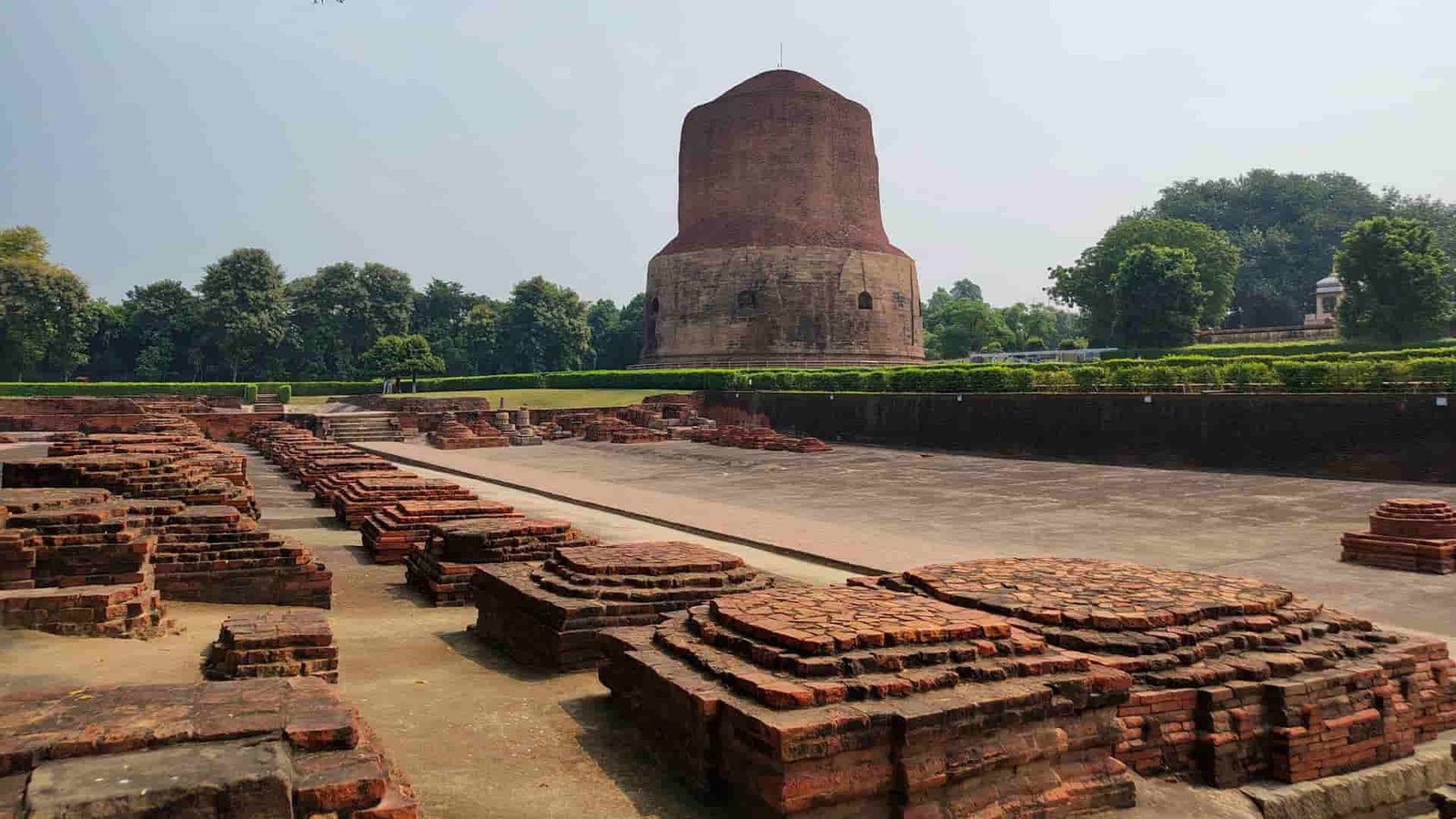
At the 48th Session of the World Heritage Committee, which was held in Busan, South Korea, the “Ancient Buddhist Site of Sarnath” got officially inscribed in the UNESCO World Heritage Sites in India.
With the addition of this sites, there are 45 UNESCO World Heritage sites in India in 2026 and four UNESCO World Heritage sites in Uttar Pradesh till 2026.
Starting from 1983, Uttar Pradesh is one of the states which have two of the oldest inscribed UNESCO World Heritage Sites, which are the Agra Fort and the Taj Mahal.
Later on, the historic Mughal city, Fatehpur Sikri, got inscribed in 1986, and the ancient Buddhist site of Sarnath in 2026, Uttar Pradesh has preserved its cultural significance and important monuments of the world.
Explore all four UNESCO World Heritage Sites in Uttar Pradesh till 2026 with their complete details, including their names, locations, historical significance, and UNESCO-recognised years in this article.
UNESCO World Heritage Sites in Uttar Pradesh [As of 2026]
After the addition of Sarnath, a UNESCO World Heritage Site, at the 48th session of the World Heritage Committee, there are officially four UNESCO World Heritage Sites in Uttar Pradesh as of 2026. Here is the complete list given below in the table:
| Site | Location (District) | Date | Type |
| Agra Fort | Agra | 1983 | Cultural |
| Taj Mahal | Agra | 1983 | Cultural |
| Fatehpur Sikri | Agra | 1986 | Cultural |
| Ancient Buddhist Site of Sarnath | Varanasi | 2026 | Cultural |
Source: UNESCO
Sarnath Recognised as the UNESCO World Heritage Site in India in 2026
Recently, at the 48th Session of the World Heritage Committee being held at Busan, South Korea, the “Ancient Buddhist Site of Sarnath” was added to the UNESCO World Heritage Sites in India on July 25, 2026, and in addition to this, currently, there are officially four UNESCO World Heritage Sites in Uttar Pradesh in 2026.
The addition of this site marked a historical upliftment for Uttar Pradesh’s cultural significance. Along with Union Minister of Culture Gajendra Singh Shekhawat, Chief Minister of Uttar Pradesh Yogi Adityanath, and Indian Prime Minister Narendra Modi have said on X, “A proud moment for every Indian!
Delighted that Sarnath in Uttar Pradesh has been inhavebed on the UNESCO World Heritage List.”
Overview of the UNESCO World Heritage Sites in Uttar Pradesh
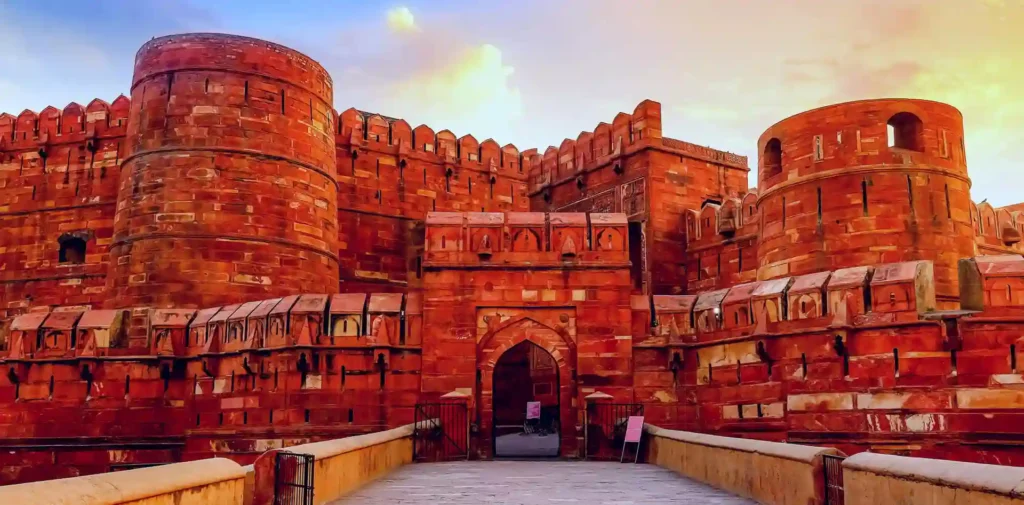
1. Agra Fort
Source: Ministry of Culture
It was added to the UNESCO World Heritage site in 1983. All the important facts about Agra Fort are given below in the table:
| Aspects | Details |
| Name | Agra Fort, historically commonly known as “Qila-i-Akbari” |
| Location | On the bank of Yamuna River, in Agra district, Uttar Pradesh, which is approx. 2.5 km Northwest of the Taj Mahal |
| Built by whom, & Year | Emoperor Akbar in 1565 A.D. |
| UNESCO Status | Designated as UNESCO World Heritage Site in 1983 |
| Size and Shape | Spread across 94 acres & built in semi-circular design |
| Architecture Style | Persian architectural design |
| Material used for Construction | Red Sandstone |
| Main Gates | 4 main gateways: Delhi Gate, Amar Singh Gate, Khizri Gate, and Ghazni Gate |
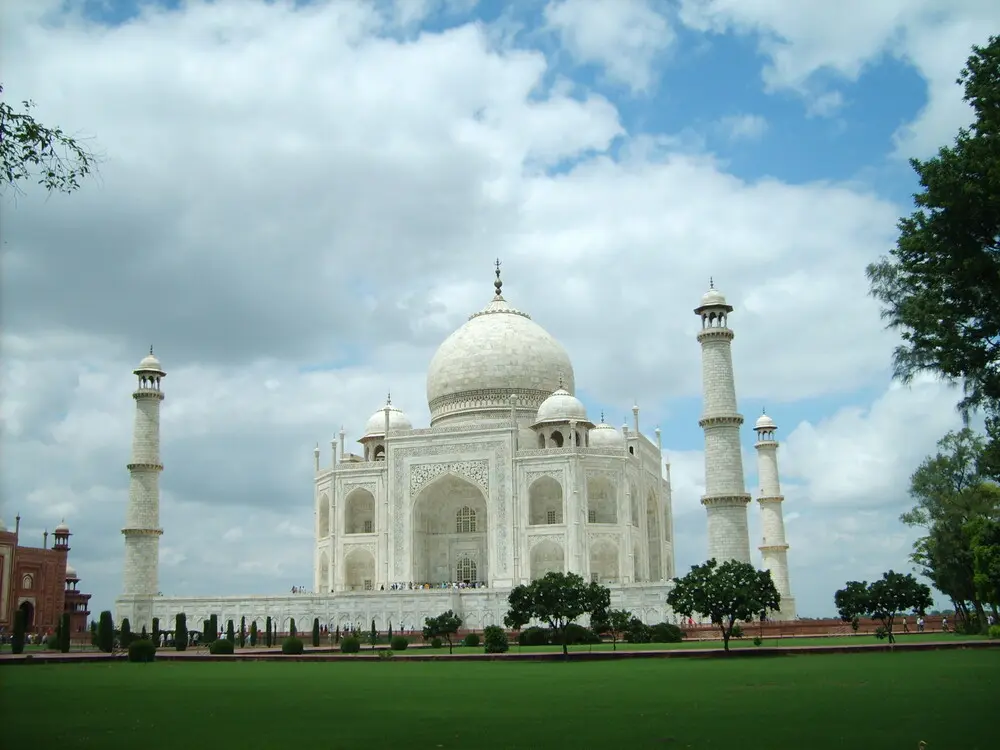
2. Taj Mahal
Source: UNESCO
It was added to the UNESCO World Heritage site in 1983. All the important facts about the Taj Mahal are given below in the table:
| Aspects | Details |
| Name | Taj Mahal, which is also one of the Seven Wonders of the World. |
| Location | On the bank of Yamuna River, in Agra district, Uttar Pradesh, which is approx. 2.5 km Northeast of the Agra Fort |
| Built by whom, & Year | Mughal emperor Shah Jahan started construction in 1632 and finished around 1653. |
| UNESCO Status | Designated as a UNESCO World Heritage Site in 1983 as the “Jewel of Muslim art in India”. |
| Size and Component | Spread across 42 acres, including the main tomb, a mosque in the west, and a guest house in the east with an extensive garden. |
| Architecture Style | Built in symmetry with a symmetrical garden |
| Material used for Construction | White Marble |
| Visiting Days | Open daily except Friday, after the 30 minutes of sunrise and before the 30 minutes of sunset. |
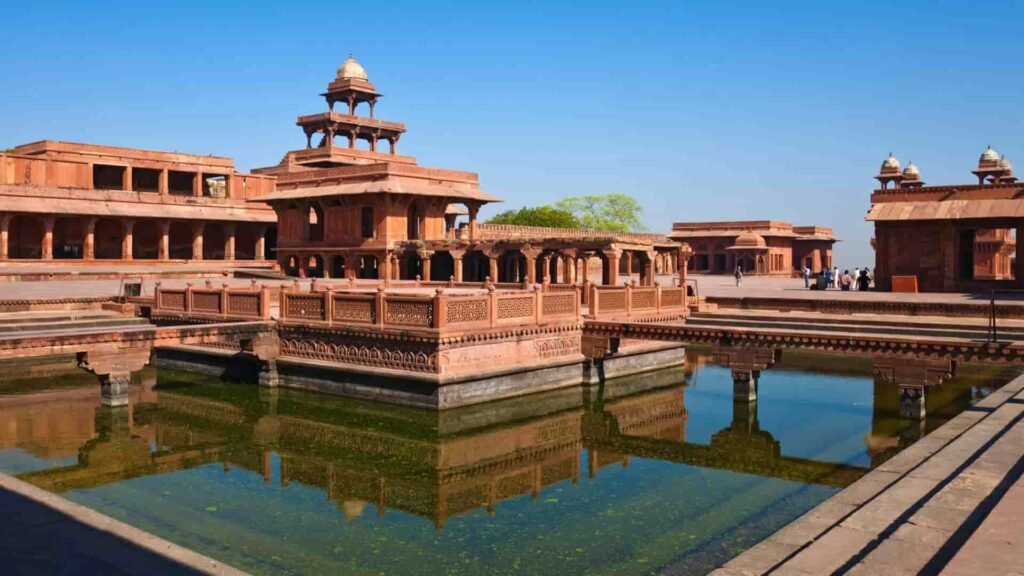
3. Fatehpur Sikri
Source: inditales
It was added to the UNESCO World Heritage site in 1986. All the important facts about Fatehpur Sikri are given below in the table:
| Aspects | Details |
| Name | Fatehpur Sikri |
| Location | 37 km from Agra, Uttar Pradesh |
| UNESCO Status | Designated as UNESCO World Heritage Site in 1986 |
| Historical Significance | This city served as a Mughal capital from 1571 to 1585, before it was abandoned due to the shortage of water. |
| Architecture Style | Indo-Islamic, Islamic, and Persian architectural design |
| Iconic Gateway | The 54-metre-high Buland Darwaza is a “Gate of Victory”, built to commemorate the Emperor Akbar’s victory over Gujarat. |
| Important Palaces & Halls | Panch Mahal: A unique five-storied, open-pillared palaceJodha Bai Palace: A significant residential buildingDiwan-i-Khas & Diwan-i-Aam: Halls for private and public audiences |
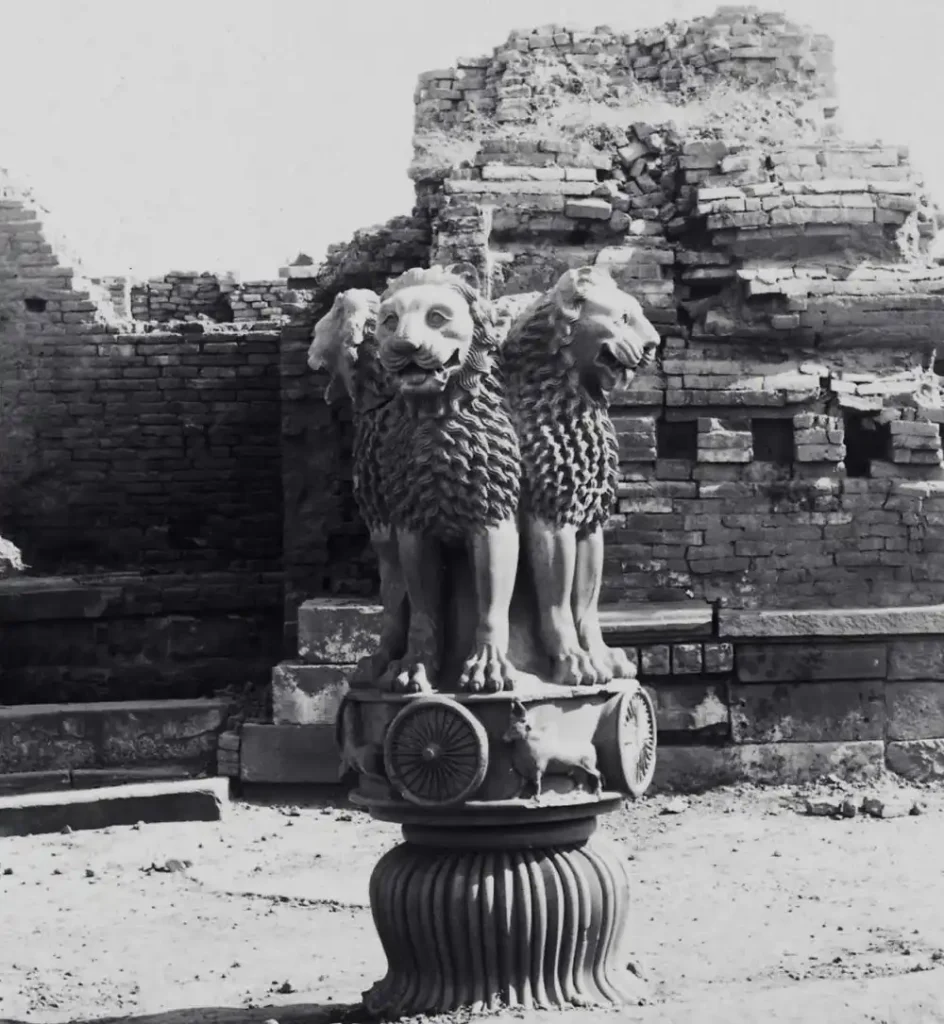
4. Ancient Buddhist Site of Sarnath
Source: UNESCO
It was added to the UNESCO World Heritage site in 2026. All the important facts about the Ancient Buddhist site of Sarnath are given below in the table:
| Aspects | Details |
| Name | Ancient Buddhist Site of Sarnath |
| Location | Sarnath, Varanasi district, Uttar Pradesh, about 10 km northeast of Varanasi City |
| Built by whom, & Year | The earliest Buddhist monument was established by Emperor Ashoka in the 3rd century BCE (around 249 BCE), who built stupas and the Ashokan Pillar.But later on Kushan and Gupta rulers expanded this site by constructing monasteries, stupas, temples, and other Buddhist structures. |
| UNESCO Status | Designated as UNESCO World Heritage Site in 2026 |
| Historical Significance | After attaining enlightenment at Bodh Gaya, Lord Buddha met his first five ascetic companions, who were Kondanna, Vappa, Bhaddiya, Mahanama, and Assaji, at Sarnath and delivered his first sermon at Deer Park, which is called the: Dhammacakkappavattana Sutta (in Pali)Dharmacakrapravartana Sutra (in Sanskrit),which means “Setting in Motion of the Wheel of Dhamma”.This is the place where Gautama Buddha revealed his path of enlightenment, the Four Noble Truths, and the Eightfold Path to end suffering and gain nirvana. |
| Major Monuments | Dhamek StupaChaukhandi StupaDharmarajika Stupa (remains)Ashokan PillarMulagandha Kuti |
| Famous Symbol | The Lion Capital of Ashoka, discovered at Sarnath, is the National Emblem of India. |
So, this article was all about the four UNESCO World Heritage Sites in Uttar Pradesh till 2026 with their complete details, including their names, locations, historical significance, and UNESCO-recognised years.
So, for more such well-researched GK articles helpful for exam aspirants and general readers seeking authentic and up-to-date coverage of current affairs, history, polity, science, technology, economy, sports, and beyond, keep exploring various categories of GKinfoBuzz, your trusted resource for knowledge and information.