Last Updated on June 21, 2026 by Parikshit
What are the 5 Important Events Held in Indian History in May?
Check the 5 important events held in Indian history in May. From the Revolt of 1857 to Rabindranath Tagore’s birth, May has witnessed many major events that changed Indian history forever.
Key Takeaways
- The Revolt of 1857 began on 10 May, 1857, which became the first major uprising against British rule, leading to the end of the East India Company’s governance in India.
- During the fourth Anglo-Mysore War, Tipu Sultan was martyred on 4 May, 1799, while defending the Srirangapatnam from the British control over South India.
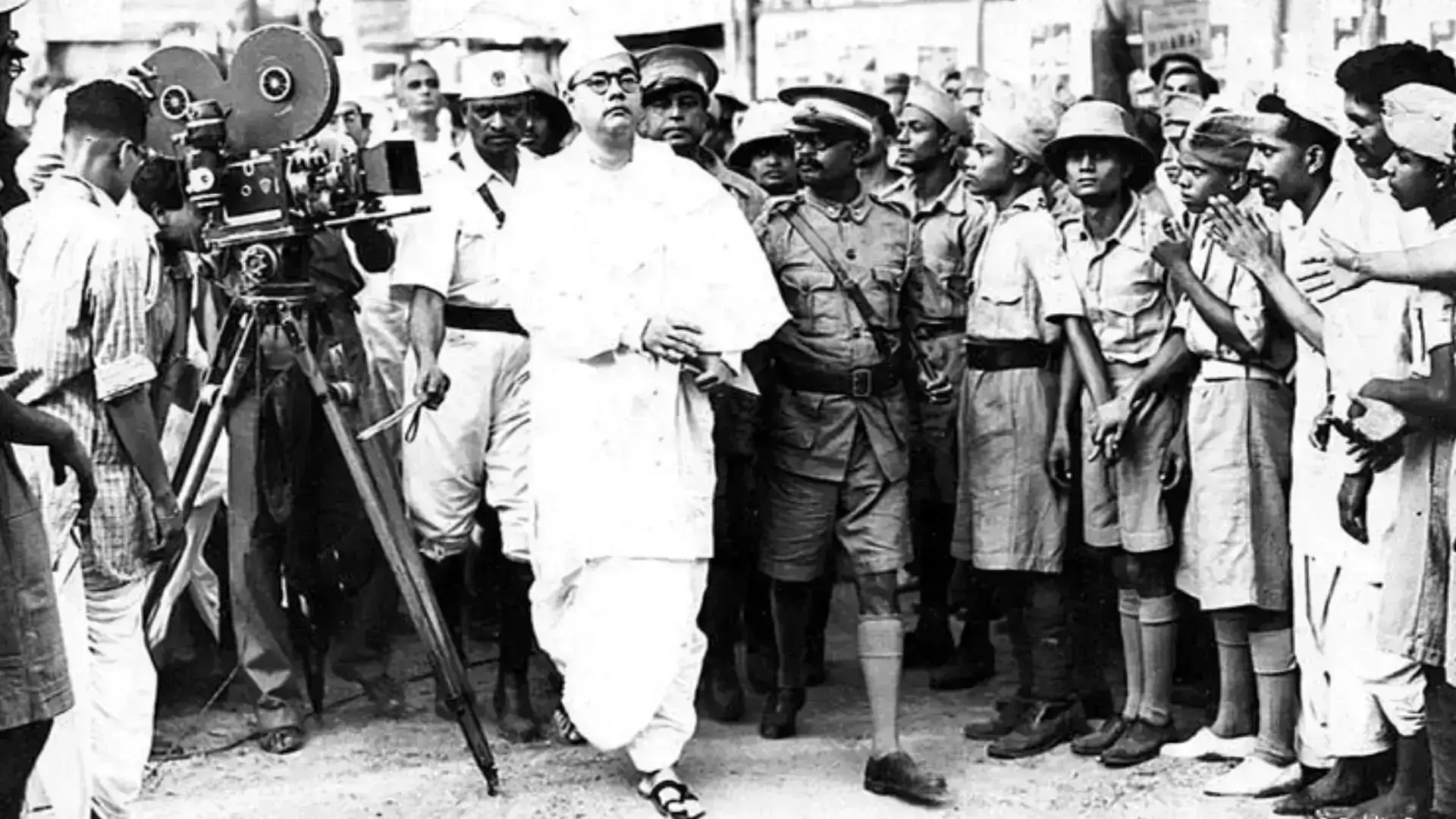
- On May 3, 1939, Netaji Subhas Chandra Bose founded the All India Forward Bloc to strengthen the struggle for complete independence from the British rule.
- Rabindranath Tagore was born on May 7, 1861, who was the first Asian Nobel Laureate in the literature field in 1913. He also composed the National Anthem of India, Jana Gana Mana.
- Maharana Pratap, who was born on May 9, 1540, remains a symbol of courage and resistance, who is remember for his unwavering fight against Mughal expansion and his commitment toward the independence of Mewar.
India has a rich and powerful history filled with bravery, freedom struggles, great leaders, and important moments. Interestingly, many major historical events in India happened in the month of May. But do you know what the 5 important events held in Indian history in May are? These events played a big role in shaping the country’s future and are still remembered today. From the Revolt of 1857 against British rule to the birth of great personalities like Rabindranath Tagore and Maharana Pratap, the month of May holds special importance in Indian history.
Let’s explore the 5 important events held in Indian history in May in simple and easy language.
What are the 5 Important Events Held in Indian History in May?
1. Revolt of 1857 – First War of Indian Independence
Source: Wikimedia Commons
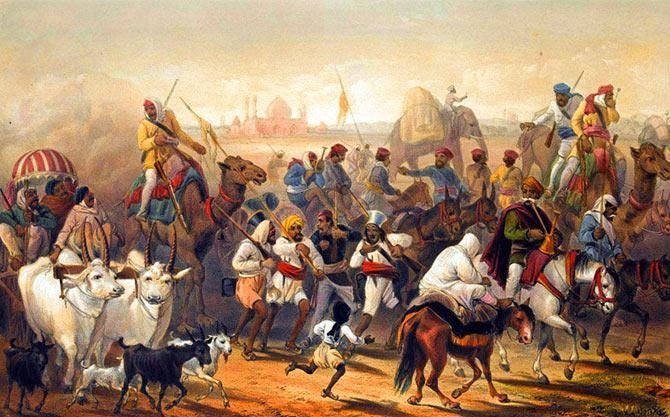
The Revolt of 1857 started on May 10, 1857. It is also called the Sepoy Mutiny or the First War of Indian Independence.
Indian soldiers working under the British East India Company started a rebellion against British officers. One major reason behind the revolt was the introduction of the new Enfield rifle cartridges, which were believed to be covered with cow and pig fat. Soldiers had to bite the cartridges before using them, which hurt the religious feelings of both Hindus and Muslims.
Main Causes of the Revolt
- Religious interference by the British
- Economic exploitation of Indians
- High taxes and land issues
- Doctrine of Lapse by Lord Dalhousie
- Annexation of Awadh
The revolt finally led to the end of the East India Company’s rule in India. After this, the British Crown directly took control of India in 1858.
Time for a quiz:
Q. With reference to the Revolt in Awadh, which British Governor-General said this: “A cherry that will drop into our mouth one day”?
A. Lord William Bentinck
B. Lord Dalhousie
C. Lord Canning
D. Lord Hardinge I
Answer: B. Lord Dalhousie
Explanation:
According to NCERT, in 1851 Governor General Lord Dalhousie described the kingdom of Awadh as “a cherry that will drop into our mouth one day”. Five years later, in 1856, the kingdom was formally annexed to the British Empire.
2. Fourth Anglo-Mysore War and Death of Tipu Sultan
Source: Christophe Boisvieux
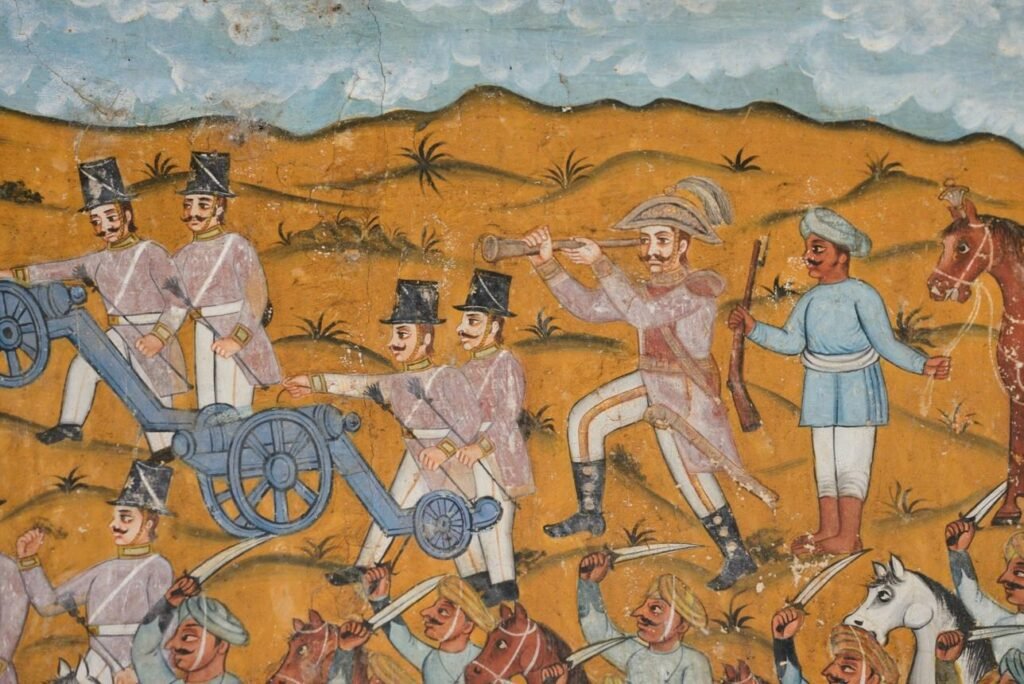
The Fourth Anglo-Mysore War ended on May 4, 1799. This war became famous because Tipu Sultan, the ruler of Mysore, died while defending his capital city, Srirangapatnam.
Tipu Sultan was known as the “Tiger of Mysore.” He fought bravely against the British and tried to protect his kingdom from British control.
Important Facts About Tipu Sultan
- Son of Haider Ali
- Modernised the Mysore army
- Used advanced war rockets
- Improved farming and trade
- Built strong international trade networks
After Tipu Sultan’s death, the British gained more power in South India and Mysore became a princely state under British influence.
Time for a quiz:
Q. Which treaty was signed in the Fourth Anglo-Mysore War?
A. Treaty of Mangalore
B. Treaty of Seringapatam
C. Treaty of Madras
D. Treaty of Salbai
Answer: B. Treaty of Seringapatam
Explanation: The Fourth Anglo-Mysore War began on 17 April, 1799, and concluded with the Treaty of Seringapatam on 4 May, 1799, after the death of Tipu Sultan.
As, in 1798, Lord Wellesley was appointed as new Governor-General after Sir John Shore, and after the annexation of Mysore from Tipu Sultan, Mysore came under the British following the system of Subsidiary Alliance.
3. Formation of All India Forward Bloc by Subhas Chandra Bose
Source: Wikimedia Commons
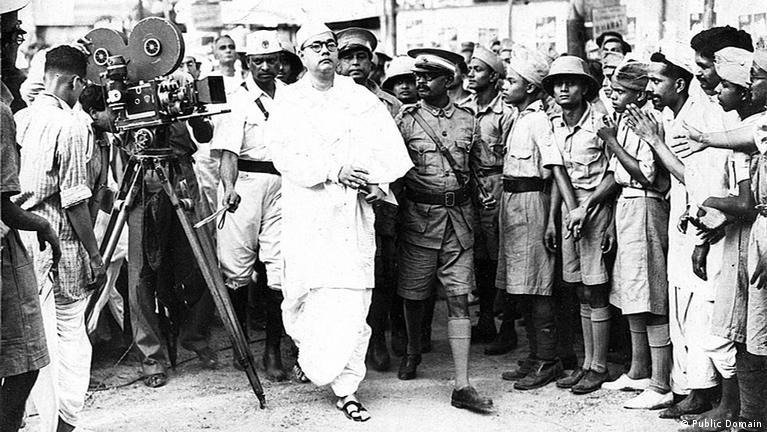
On May 3, 1939, Netaji Subhas Chandra Bose formed the All India Forward Bloc in Kolkata.
Subhas Chandra Bose wanted complete independence for India and believed stronger action was needed against British rule. Due to differences with Mahatma Gandhi and some Congress leaders, Bose created the Forward Bloc to unite left-wing and nationalist groups.
Why Forward Bloc Was Important
- Promoted complete freedom from British rule
- Encouraged youth participation
- Strengthened the freedom movement
- Later connected with the Indian National Army (INA)
Netaji later led the famous “Delhi Chalo” movement through the INA.
4. Birth of Rabindranath Tagore
Source: Wikimedia Commons
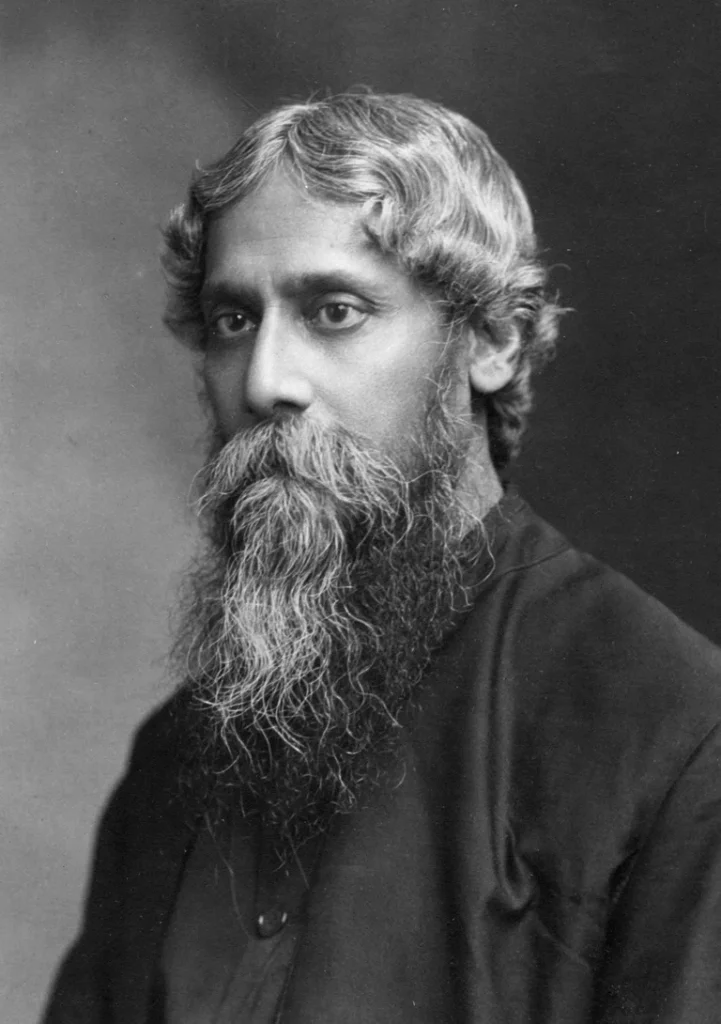
Rabindranath Tagore was born on May 7, 1861, in Kolkata. He was a famous poet, writer, philosopher, and social reformer. Tagore became the first Asian person to win the Nobel Prize in Literature in 1913 for his famous work Gitanjali.
Important Contributions of Rabindranath Tagore
- Wrote India’s National Anthem “Jana Gana Mana”
- Influenced Bangladesh’s National Anthem
- Gave Mahatma Gandhi the title “Mahatma”
- Returned his knighthood after the Jallianwala Bagh massacre
Some famous works of Tagore include:
- Gitanjali
- Ghare Baire
- Chandalika
- Post Office
Tagore played a big role in improving India’s cultural image around the world.
5. Birth of Maharana Pratap
Source: Indian History
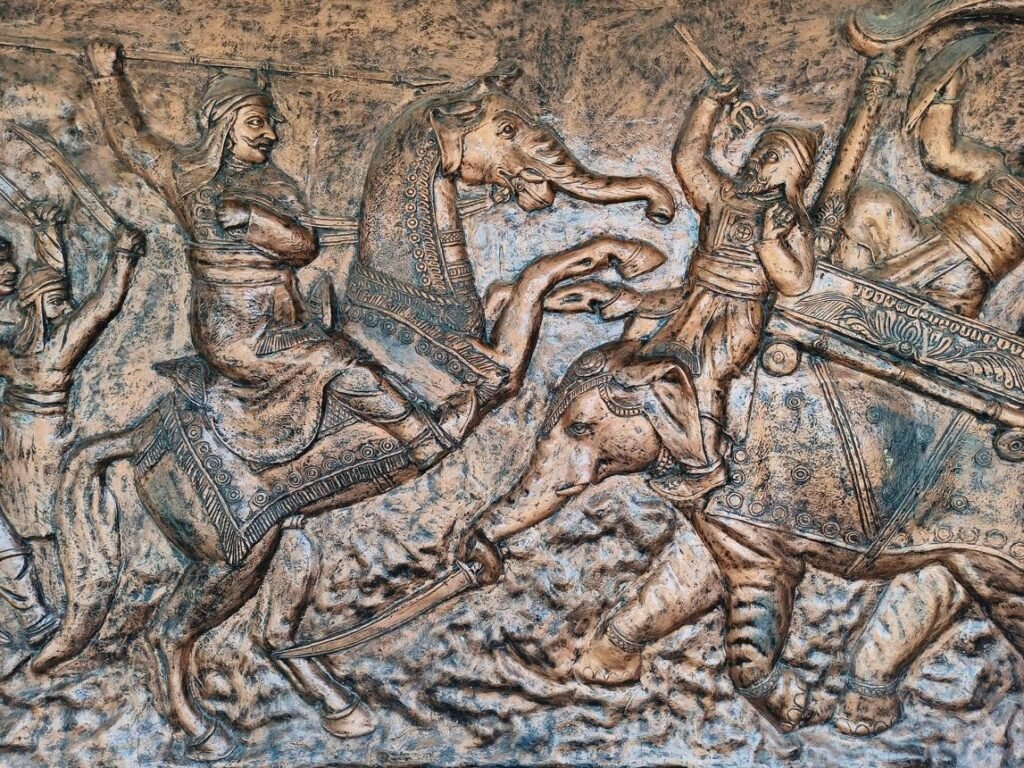
Maharana Pratap was born on May 9, 1540. He was one of the bravest Rajput rulers in Indian history.
Maharana Pratap ruled Mewar and fought against the Mughal emperor Akbar. He is best remembered for the Battle of Haldighati fought in 1576.
Why Maharana Pratap Is Remembered
- Never accepted Mughal rule
- Fought bravely for independence
- Used guerrilla warfare tactics
- Symbol of courage and self-respect
Even after facing many difficulties, Maharana Pratap continued fighting for his kingdom and freedom.
Conclusion
The month of May has seen many unforgettable events in Indian history. From brave freedom fighters and powerful kings to famous writers and revolutionary leaders, these events still inspire Indians today.
The Revolt of 1857, the bravery of Tipu Sultan, the leadership of Subhas Chandra Bose, the literary greatness of Rabindranath Tagore, and the courage of Maharana Pratap are important chapters of Indian history that every student and history lover should know.
These historical events not only shaped India’s past but also continue to inspire future generations.
For more such well-researched GK articles helpful for exam aspirants and general readers seeking authentic and up-to-date coverage of current affairs, history, polity, science, technology, economy, sports, and beyond, keep exploring various categories of GKinfoBuzz, your trusted resource for knowledge and information.