
Last Updated on July 7, 2026 by Gaurav
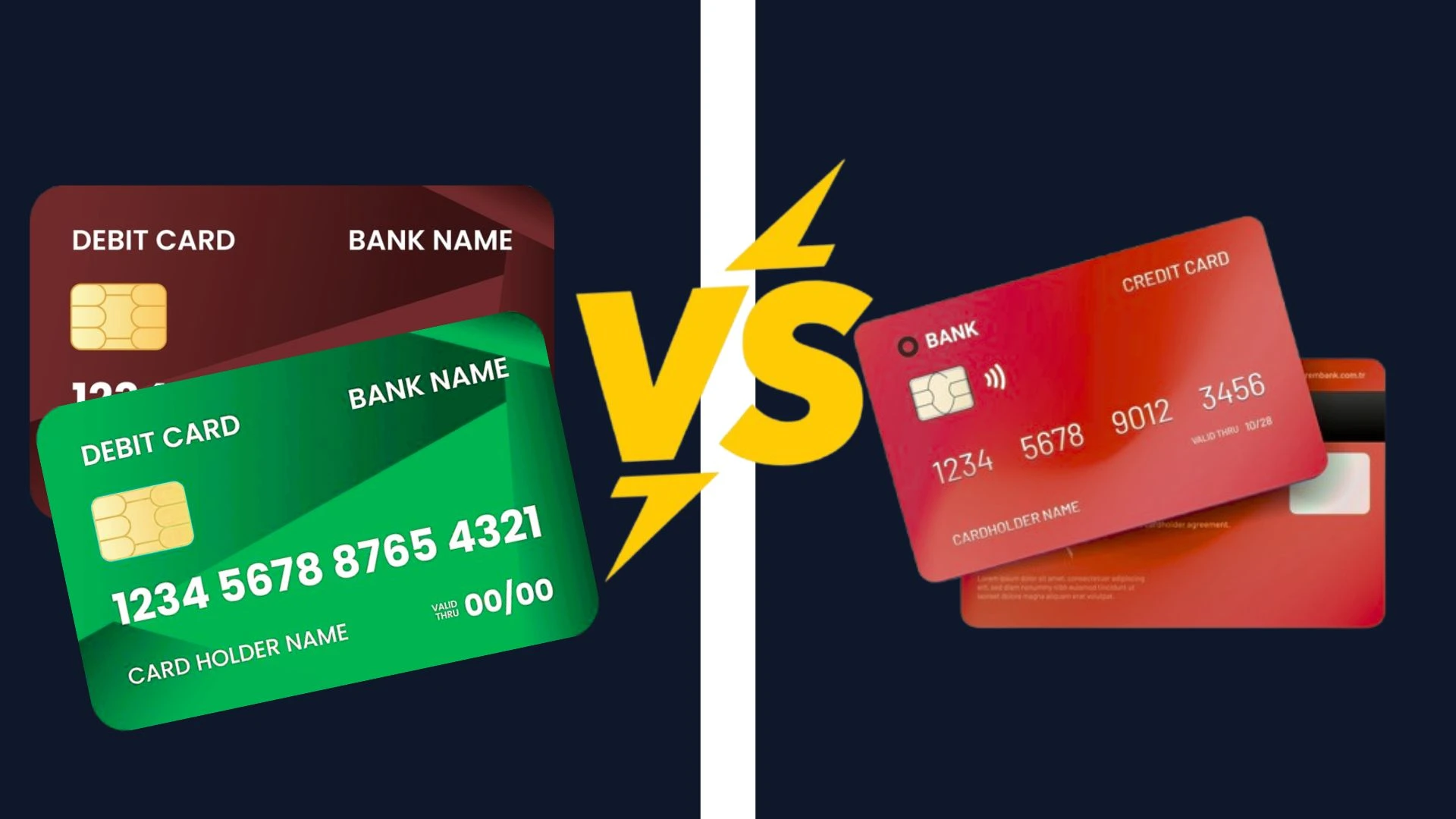
Every time you walk into a store, shop on Flipkart or Amazon, or pay your electricity bill online, you are probably using either a debit card or a credit card. Most of us carry at least one of these in our wallets. But here is something interesting: a large number of people use these cards daily without fully understanding how differently they actually work.
According to the Reserve Bank of India, digital card transactions in India grew by 25% year on year and crossed 1.5 billion transactions per month by early 2026. That number tells you just how deeply cards have entered our daily lives. And yet, the question “what is the difference between a debit card and a credit card?” remains one of the most commonly searched financial questions online. So let us break it down in the simplest way possible.
What is a Debit Card?
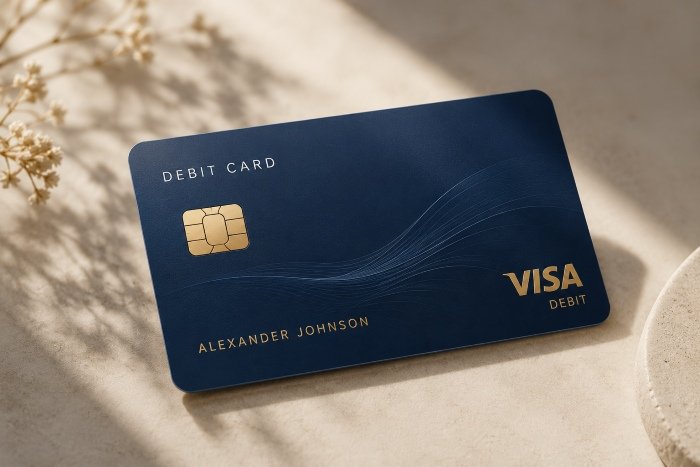
A debit card is directly linked to your bank account, whether it is a savings account or a current account. When you swipe or tap your debit card at a store or use it online, the money is immediately deducted from your account balance. You are essentially spending your own money, in real time.
Think of it like this. Your debit card is basically your bank account in card form. If you have Rs. 10,000 in your account and you spend Rs. 3,000 at a grocery store, your balance drops to Rs. 7,000 instantly. If your account has no money, the transaction will simply fail (unless your bank has given you an overdraft facility).
Most banks in India automatically issue a debit card when you open a savings account. Banks like SBI, HDFC, ICICI, Kotak, and Axis all issue debit cards as a standard feature. You do not need a special credit history or income proof to get one.
Key features of a debit card:
- The money comes directly from your bank account
- There is no borrowing involved
- You cannot spend more than what you have in the account
- No interest is charged because you are using your own money
- It works at ATMs for cash withdrawals
- No monthly bill or repayment cycle
What is a Credit Card?
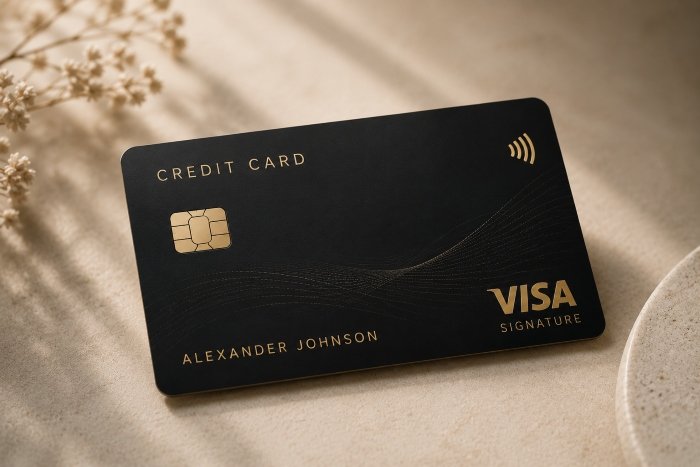
A credit card works on a completely different principle. When you use a credit card, you are not spending your own money. You are borrowing money from the bank or financial institution that issued the card. The bank pays the merchant on your behalf, and you pay the bank back later.
Every credit card comes with a credit limit, which is the maximum amount you can borrow. This limit is decided by the bank based on your income, credit history, and CIBIL score. For example, a bank might approve a credit limit of Rs. 50,000 or Rs. 2,00,000 depending on your profile.
The key thing to understand here is the billing cycle. Your credit card transactions are clubbed together over a month, and you receive a monthly statement. You then have a due date by which you need to pay back the amount. Most credit cards in India offer an interest-free period of 45 to 50 days, which means if you pay your full dues on time, you pay absolutely no interest.
However, if you do not pay the full amount and carry a balance forward, the bank starts charging interest. And this is where many people get into trouble. Credit card interest rates in India are typically very high, falling in the range of 30% to 48% per annum. That translates to roughly 2.5% to 4% per month, which adds up very quickly if you are not careful.
Key features of a credit card:
- You borrow money from the bank, not your own funds
- A credit limit is set based on your income and credit score
- You get a monthly bill that must be paid before the due date
- No interest if you pay the full amount on time
- High interest charged if you carry a balance forward
- Can help build your CIBIL score if used responsibly
- Often comes with rewards, cashback, and lifestyle benefits
Debit Card vs Credit Card: Key Differences
- Source of money: A debit card uses your own money from your bank account. A credit card uses borrowed money from the bank.
- Spending limit: With a debit card, you can only spend what you have. With a credit card, you can spend up to your assigned credit limit.
- Interest: Debit cards charge no interest. Credit cards charge high interest (30% to 48% per year) if you do not repay on time.
- Repayment: Debit cards require no repayment since you spend your own money. Credit cards come with a monthly bill that must be cleared by the due date.
- Impact on credit score: Debit cards have no effect on your CIBIL score. Using a credit card responsibly can improve your score, while missing payments can damage it.
- Rewards and benefits: Debit cards offer limited rewards. Credit cards often come with cashback, reward points, air miles, lounge access, and discount offers.
- Fraud protection: Credit cards generally offer stronger protection. If your credit card is misused fraudulently, you are not paying from your own money while the dispute is resolved. With a debit card, the money is already gone from your account.
- Annual fee: Most debit cards have minimal or no annual fees. Credit cards may have an annual fee, though many entry-level cards now come with a lifetime free option.
- Eligibility: Anyone with a bank account can get a debit card. A credit card requires a minimum income level and a decent credit score.
Which Card is Better for You?
This depends entirely on your financial habits and goals. There is no single right answer.
Use a debit card if:
You are just starting out and want to stay within your means. You find it hard to control spending. You do not want to deal with monthly bills or repayment deadlines. You are a student or someone without a regular income who cannot qualify for a credit card.
Use a credit card if:
You have a stable income and can reliably pay your bills on time. You want to build your CIBIL score for future loans like a home loan or car loan. You want to earn cashback or reward points on your everyday spending. You travel frequently and want benefits like airport lounge access or travel insurance. You want an emergency backup in case of a sudden large expense.
The golden rule with credit cards is this: treat it like a debit card. Only spend what you already have in your bank account, and always pay your full dues before the due date. If you can do that, a credit card becomes a very powerful financial tool that actually pays you back through rewards while costing you nothing in interest.
Do Credit Cards Affect Your CIBIL Score?
Yes, very directly. Every time you use a credit card and pay on time, it is reported positively to credit bureaus like CIBIL, Equifax, and Experian. This builds your credit history and improves your score over time. A good CIBIL score (750 and above) helps you get home loans, personal loans, and car loans at better interest rates.
Debit cards, on the other hand, have no connection to your credit score. They are simply a way to access your own money.
READ| What is CIBIL Score? How is it Calculated
Both debit cards and credit cards have their place in a smart financial life. A debit card keeps you grounded in reality, making sure you never spend more than you have. A credit card, when used wisely, gives you rewards, builds your credit score, and acts as a financial cushion in emergencies.
The key is not which card is “better.” The key is whether you understand how each one works and whether you are using the right tool for the right purpose.
For more such well-researched GK articles helpful for exam aspirants and general readers seeking authentic and up-to-date coverage of current affairs, history, polity, science, technology, economy, sports, and beyond, keep exploring various categories of GKinfoBuzz, your trusted resource for knowledge and information.







This piece truly answered all my questions related to debit and credit cards!